
A Chronicle for the Mayor of Worthing
Inscribed copies · Sussex & the Black Forest
By Gohachi Books
A history of a Black Forest valley, written in German and inscribed by the mayor of Simonswald in June 2004 to Worthing's mayor and his wife. It's a small souvenir of the friendship between a Sussex seaside town and four villages in the hills above Freiburg.
Published October 2026 · About a 5-minute read
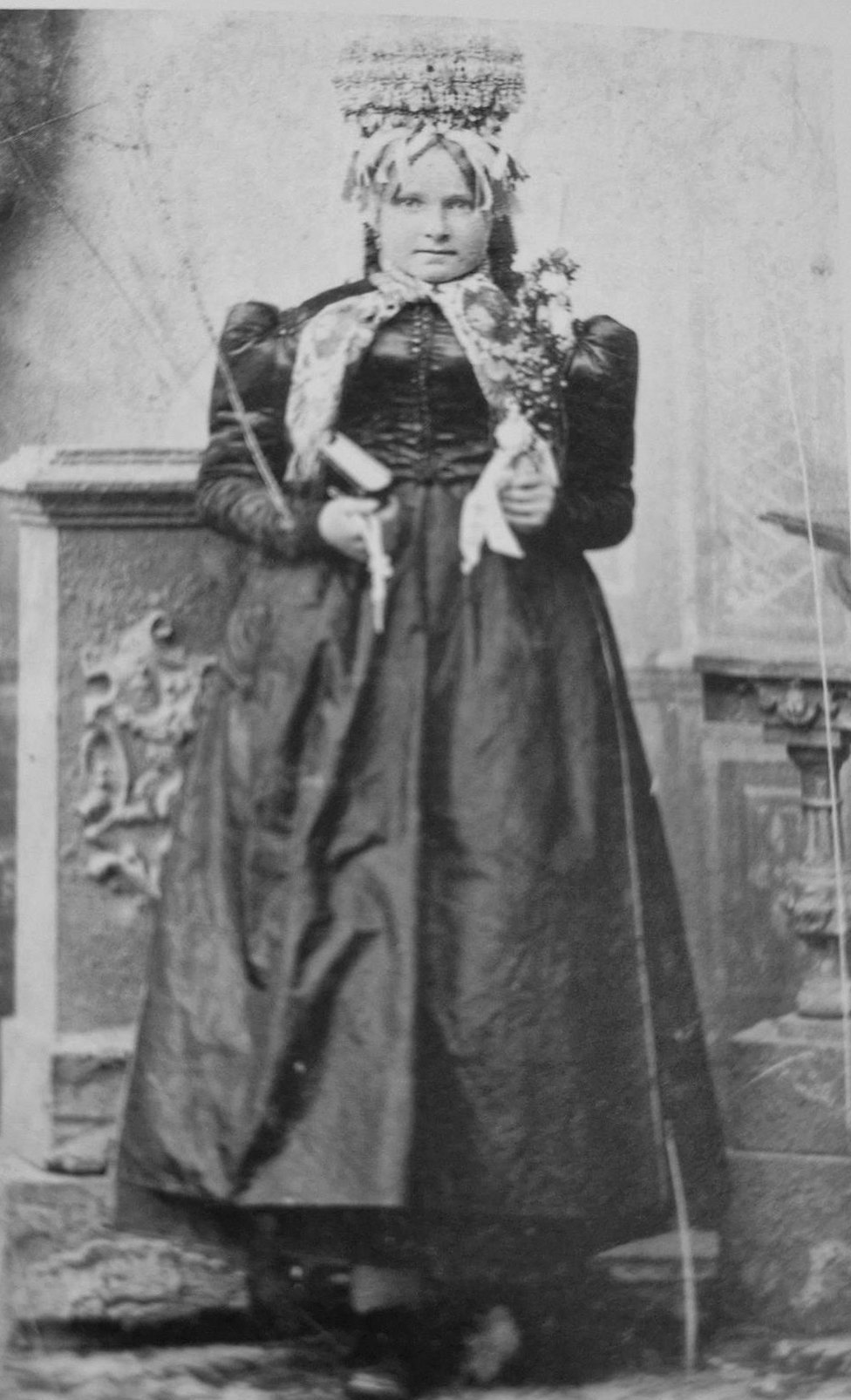
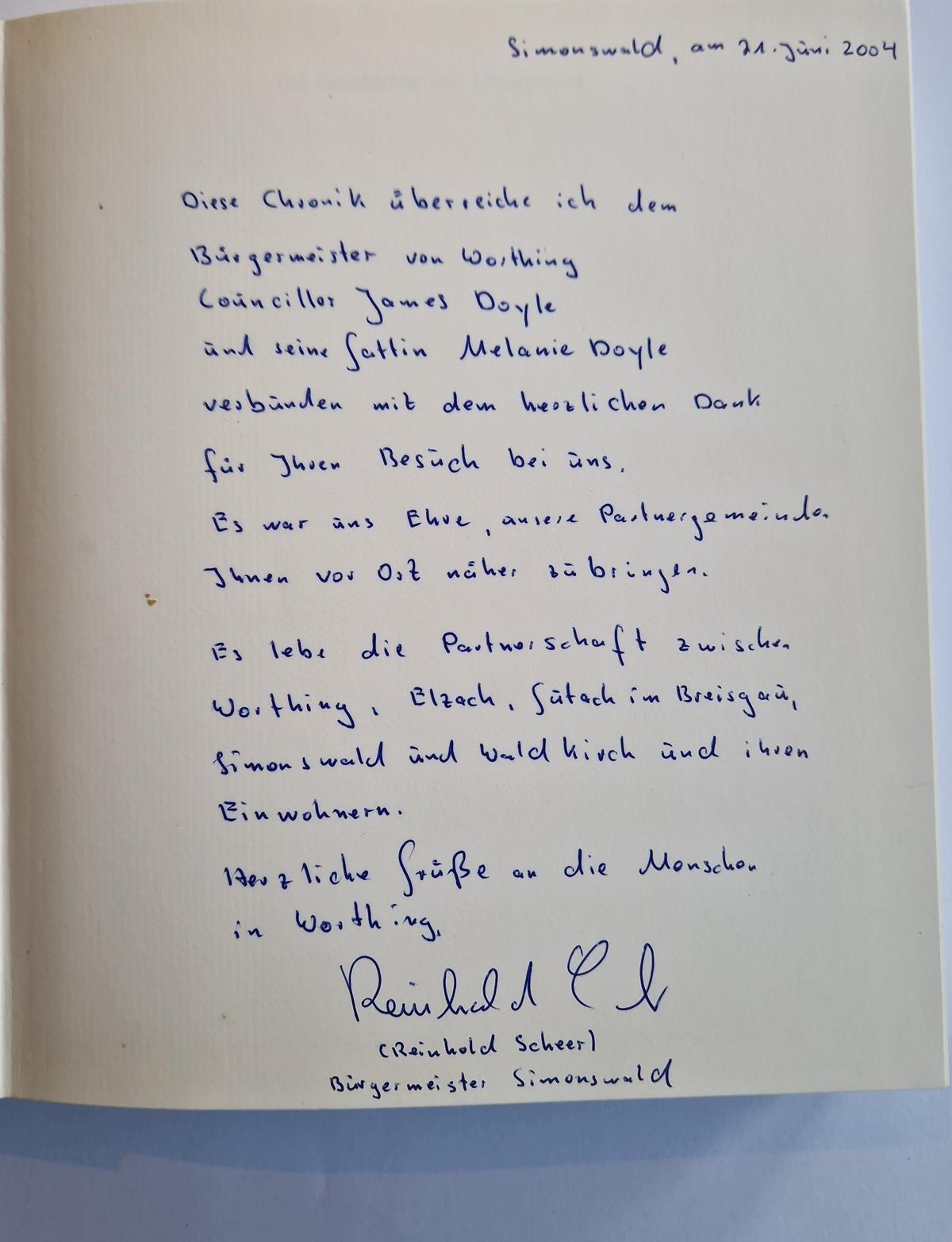
A hardback in German about a village in the Black Forest isn't what you expect to find on a Sussex bookseller's shelves. Then we opened it. Inside the front cover, in careful blue handwriting, the mayor of Simonswald had dedicated the book to the Mayor of Worthing.
What It Says
In English, the inscription reads roughly like this:
I present this chronicle to the Mayor of Worthing, Councillor James Doyle, and his wife Melanie Doyle, with heartfelt thanks for your visit to us. It was an honour for us to show you our partner communities at first hand. Long live the partnership between Worthing, Elzach, Gutach im Breisgau, Simonswald and Waldkirch, and their people. Warmest greetings to the people of Worthing.
Reinhold Scheer was mayor of Simonswald for twenty-five years, from 1992 to 2017. James Doyle sat on Worthing Borough Council at various times between 1995 and 2012, and the council's list of past mayors gives his year as mayor as 2003–04, so the inscription was written right at the end of his year in office, or just after it. In 2012 the council made him an Honorary Alderman.
Worthing and the Elztal
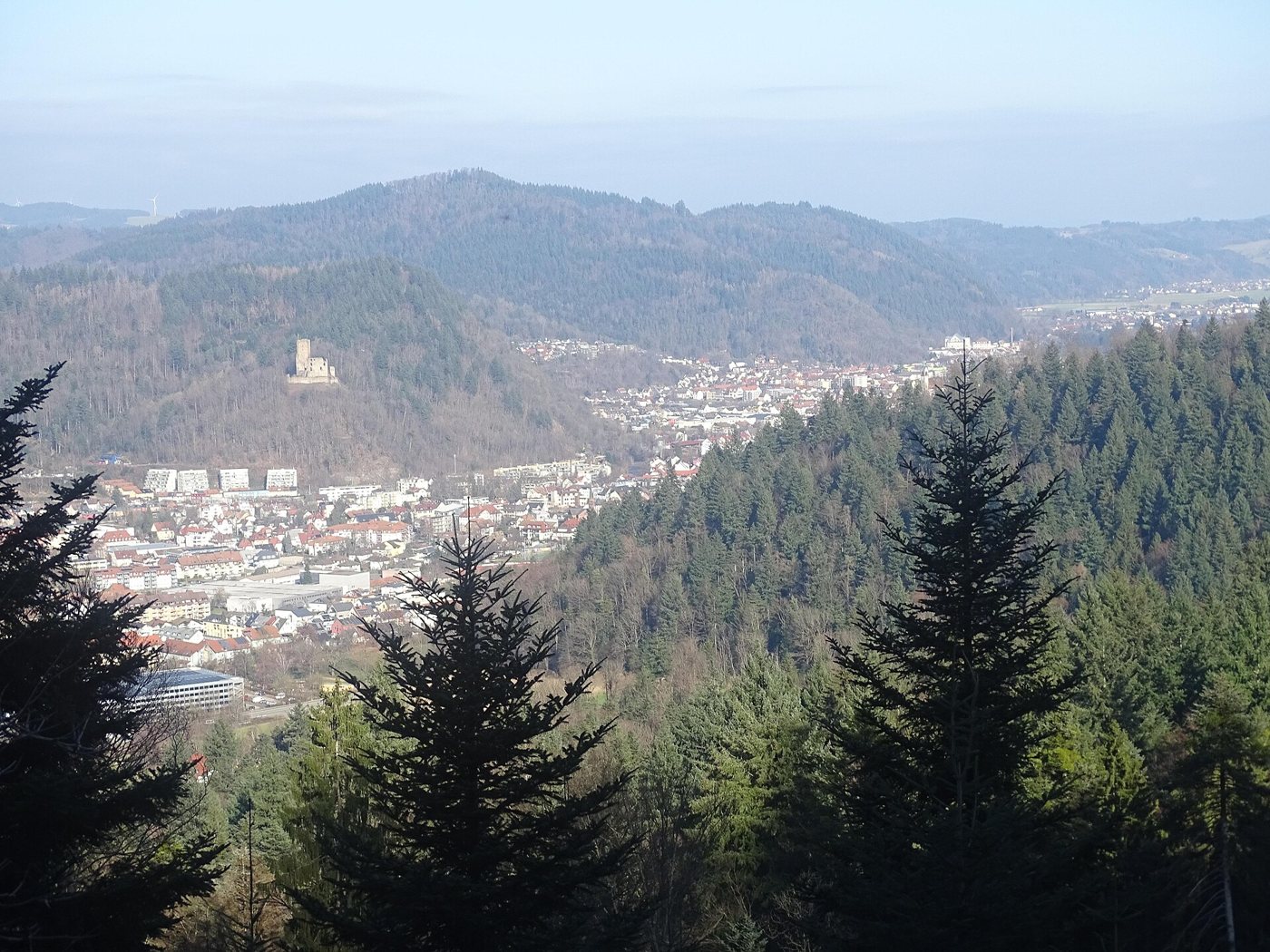
The four places named in the inscription sit together in the Elz valley (the Elztal) and the side valley of Simonswald, north-east of Freiburg. Since 1997 they have been twinned, as a group, with Worthing. It was Worthing's first twinning.
Like most twinnings, it began with a few enthusiasts. The Worthing Twinning Association credits Brigitte Pierce, who taught German in Worthing in the 1980s and began taking groups to the Black Forest. When a new twinning committee was formed in 1993, she proposed the Elztal. On the German side, the Gutach council records that the first contacts went back to 1985, when a Worthing delegation visited the valley and a return visit followed a year later. Two friendship clubs kept things going: the Deutsch-Englischer Kulturkreis on the German side and the Anglo-German Friendship Club in Worthing.
The idea was first a link with Waldkirch alone. But Worthing, with around 100,000 people, was much larger than any one of the valley towns, so the partnership was widened to take in the whole valley. After an official visit by Worthing's mayor, Herbie Golds, and return visits by the Elztal mayors, the councils agreed. The partnership became official on 3 May 1997.
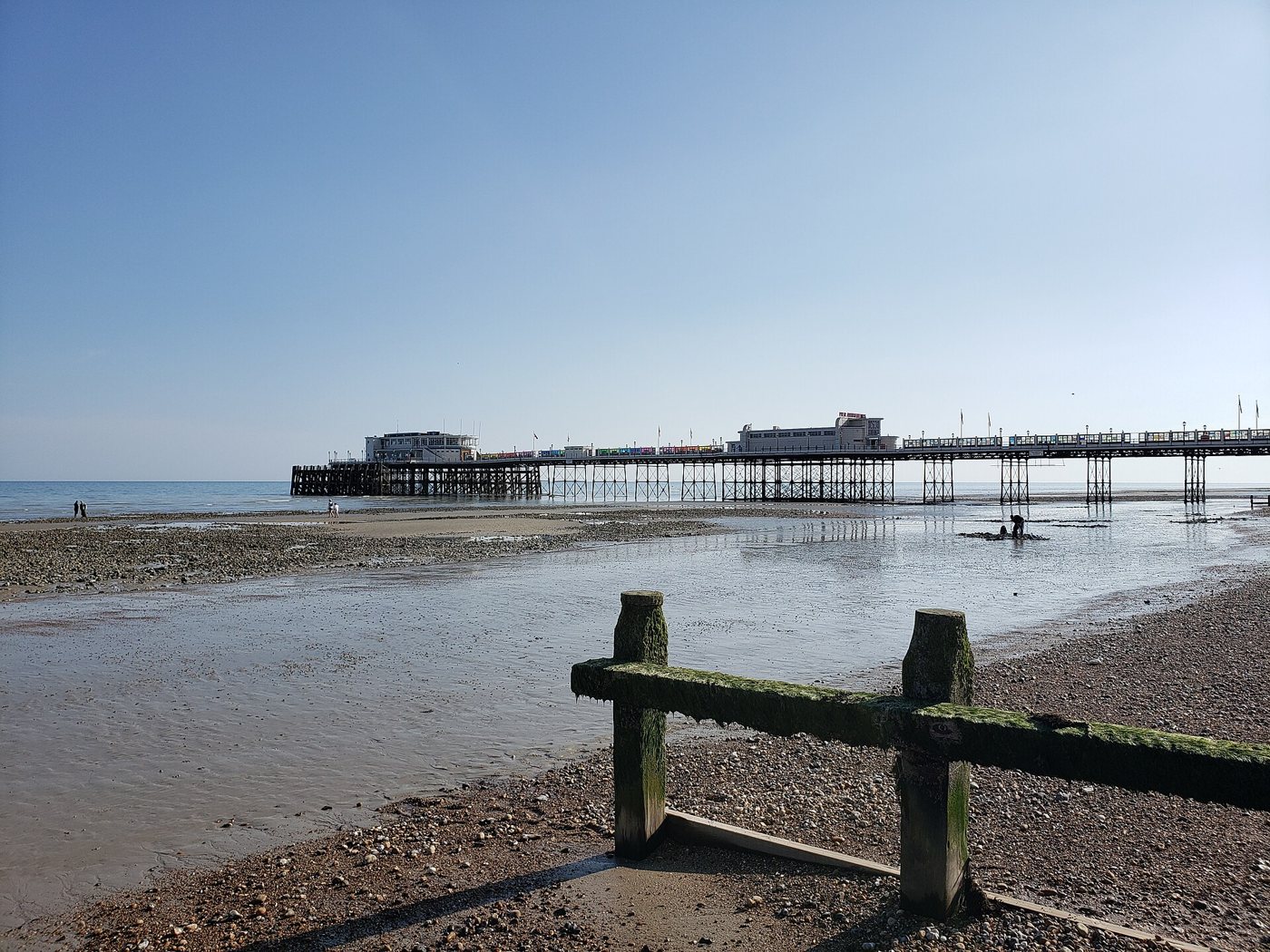
Worthing's other twinning, with the Pays des Olonnes on the French Atlantic coast, followed and was made formal in October 1998. For the German link's twentieth anniversary, visitors from the four towns came to Worthing, where a glass plaque was unveiled on the pier, and Worthing members made the return trip, staying with host families. Worthing's mayor is still the patron of the Worthing Twinning Association, which runs trips to the Elztal, including to Waldkirch's Christmas market.
The Book
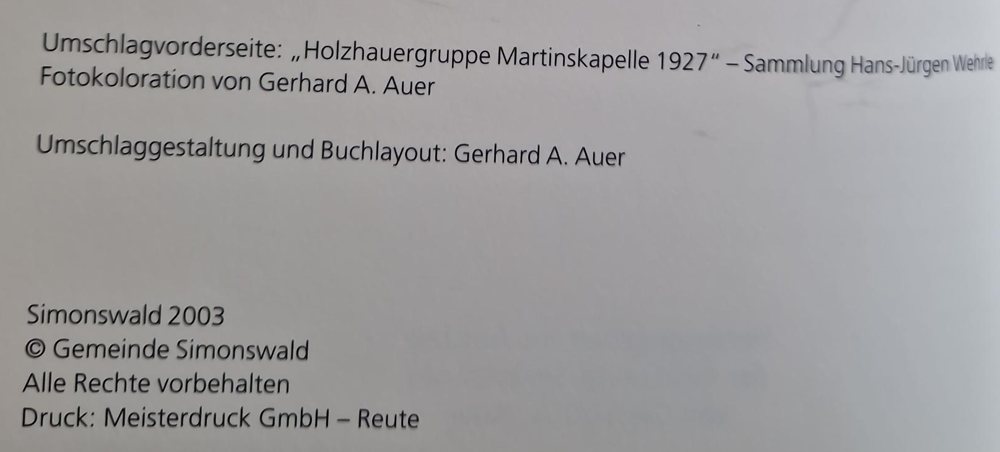
Die Geschichte von Simonswald (The History of Simonswald) was published by the village itself in 2003, for the 825th anniversary of its first mention in 1178. It runs to 376 pages by thirteen authors. The district archivist, Gerhard A. Auer, edited it on the council's behalf, working with Eva Bühler, Anima Kröger and Axel Verderber, and he also designed the book and its cover. It was printed by Meisterdruck in Reute. It's the kind of local chronicle that German communities do so well: a thorough, illustrated history put together for the people who live there and, it turns out, for honoured guests.
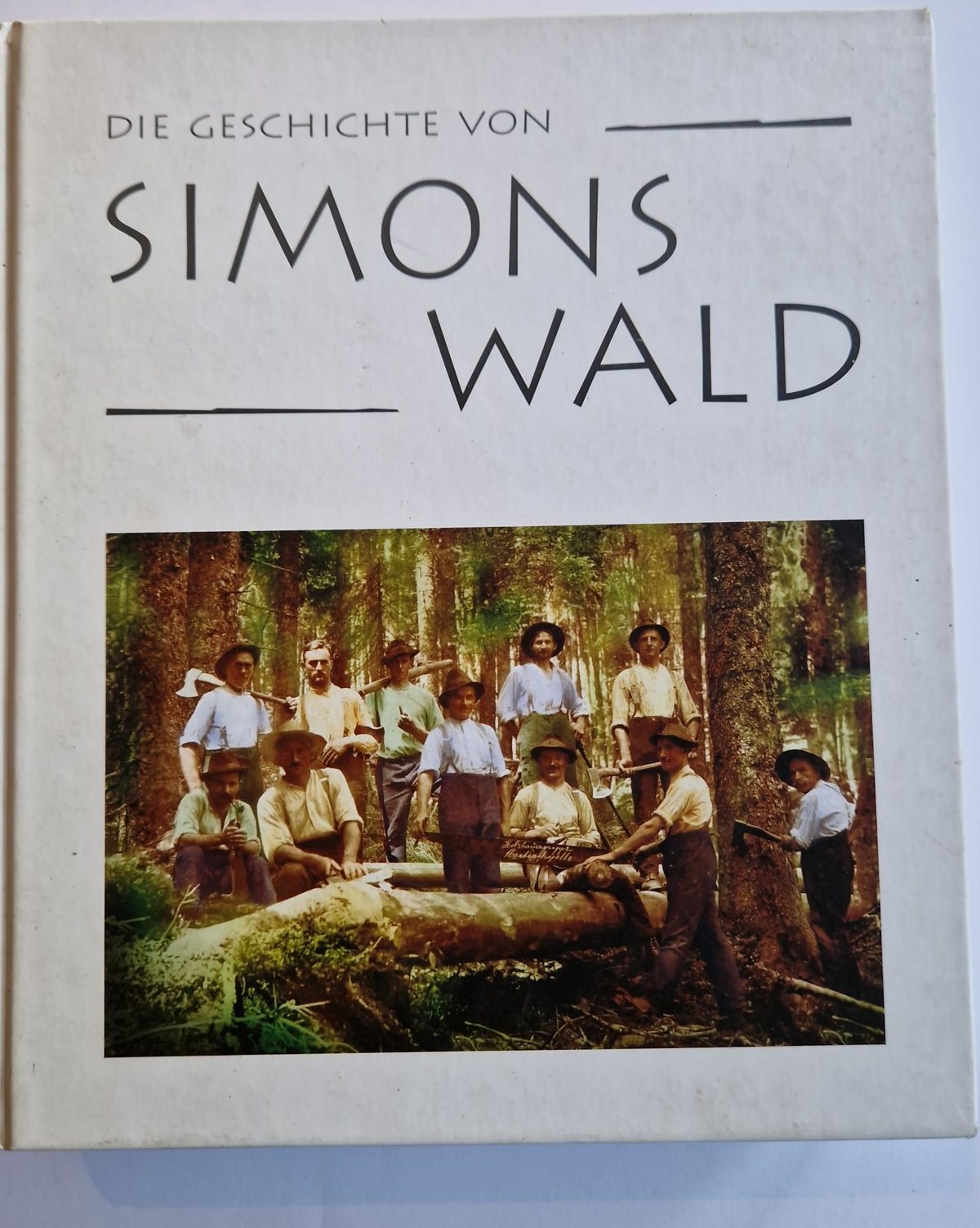
Inside, it is full of old photographs. Our favourite opens this page: a girl from the “Grispe”, photographed on White Sunday around 1900. White Sunday, the Sunday after Easter, was traditionally the day of first communion in Catholic Germany. She holds a prayer book and a sprig of flowers, and on her head is a Schäppel, the tall beaded crown worn with Black Forest costume on special days.
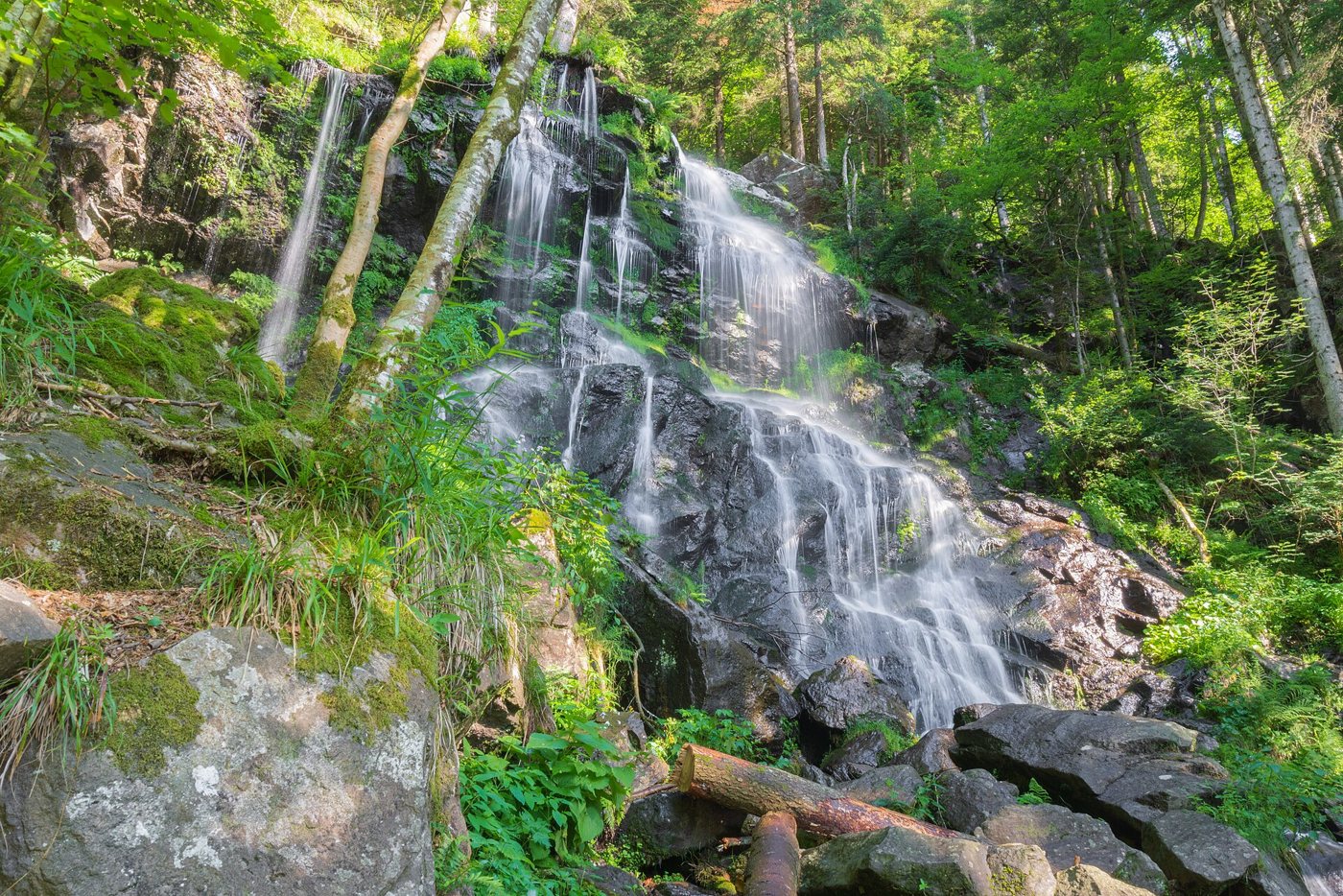
The valley has a long story to tell. Simonswald first appears in writing on 5 August 1178, as Sigmanswalt, in a document of the convent of St Margarethen in Waldkirch, which owned the valley. A local legend says the name comes from a certain Simon vom Walde, who rode with his followers to worship at the chapel of St Severin, said to be the first church in the region. In 1316 the valley passed to the Schwarzenberg family of the Kastelburg. In 1805 it moved from Austrian rule to the Grand Duchy of Baden.
The woodcutters on the cover belong to a long tradition. The valley's forests have been worked for centuries: around 1620, 52 woodcutters and charcoal burners were working in the Simonswälder Tal to feed the local iron smelter with charcoal.
The modern village is made up of several older ones. Altsimonswald, Haslachsimonswald and Untersimonswald joined in 1970, and Obersimonswald and Wildgutach followed in 1974. Today about 3,000 people live along the deep, steep-sided valley of the Wilde Gutach, below the Kandel, at 1,241 metres the highest point of the parish. Farmers there still live from cattle and forestry, and tourism took off in the 1950s.
From the Elztal to a Sussex Bookshop
How the book left the mayoral parlour we don't know. Gifts to civic leaders often go with them when they leave office, and years later find their way to a sale or a charity shop.
We like that this one has come back to Sussex. It's a reminder that twinning was never about councils alone. It was coach trips, school exchanges, friendship clubs and gifts like this one, carried home from the Black Forest to the seaside.
Have you been on a Worthing twinning trip, or hosted visitors from the Elztal? We'd love to hear about it.
Researched and written for Gohachi Books, October 2026, from the inscribed copy in our collection and the sources listed below.
Sources
• Gemeinde Gutach im Breisgau: Partnerschaften (Worthing, since 3 May 1997; first contacts 1985)
• Stadt Waldkirch: Partnerstädte
• Adur & Worthing Councils: Twinning Associations
• Adur & Worthing Councils: Past Mayors and Honorary Aldermen
• Worthing Twinning Association: Germany (Brigitte Pierce and the 1993 committee)
• Worthing Herald: Celebrating 20 years of twinning
• Worthing Herald: Twinning 20th anniversary excitement
• Freiburg-Schwarzwald.de: Simonswald (the 2003 chronicle; woodcutters and charcoal burners, c. 1620)
• Worthing Twinning Association
• Wikipedia (German): Simonswald
• Wikipedia (German): Simonswälder Tal
Simonswald and Worthing
- 1178
- Simonswald first recorded, as Sigmanswalt
- 1316
- The valley passes to the lords of the Kastelburg
- c. 1620
- 52 woodcutters and charcoal burners work in the valley
- 1805
- From Austrian rule to the Grand Duchy of Baden
- 1970–74
- The villages join to form today's Simonswald
- 1985
- First visit from Worthing to the Elztal
- 1993
- Brigitte Pierce proposes the Elztal to Worthing's new twinning committee
- 3 May 1997
- Worthing twinned with Elzach, Gutach, Simonswald and Waldkirch
- 2003
- Die Geschichte von Simonswald published
- 21 Jun 2004
- The book is inscribed to Worthing's mayor
Researched and written for Gohachi Books, October 2026, from the inscribed copy in our collection and the sources listed below.


