The Importance of Being Micheál
Theatre & lives · Ireland
By Gohachi Books
He was the voice of Irish theatre for fifty years: actor, painter, playwright and Irish-language writer. He was also born Alfred Willmore, in London, and he never once admitted it.
Published October 2026 · About a 5-minute read
On our shelves at Gohachi is a book with a green carnation on its jacket. It is An Oscar of No Importance, published by Heinemann in 1968, and it is inscribed and signed by its author, Micheál Mac Liammóir. The carnation is a clue. The name on the cover is another, though of a different kind.
For half a century Mac Liammóir was the great Irish actor. He co-founded Dublin's Gate Theatre, wrote plays and memoirs in Irish and English, designed hundreds of sets and costumes, and toured the world with a one-man show about Oscar Wilde. Ireland gave him the freedom of its capital. Yet he was not born in Ireland, and his name was not Micheál.
A Boy Called Alfred
He was born Alfred Willmore on 25 October 1899 in north-west London, to English parents. He was a child actor, and a successful one. In 1911 he appeared in a children's play, The Goldfish, alongside another stage-struck boy, the young Noël Coward. The same year he played Macduff's son for the actor-manager Herbert Beerbohm Tree, and in 1912 Tree cast him as Oliver Twist. He was Michael Darling in Peter Pan, and he made silent films.
Then, in his teens, he fell for Ireland. He read the poems and essays of W. B. Yeats. He joined the Gaelic League in London and learned Irish, which he came to speak and write fluently. Around the end of the First World War he crossed the Irish Sea and made himself anew: Micheál Mac Liammóir, born, he would say, in Cork.
“Far from being Ireland's soul incarnate, it turned out he had not a drop of Irish blood in his veins.” – Simon Callow
He kept the story up all his life, in interviews, in his books and on television. The full truth only became widely known after his death.
The Boys
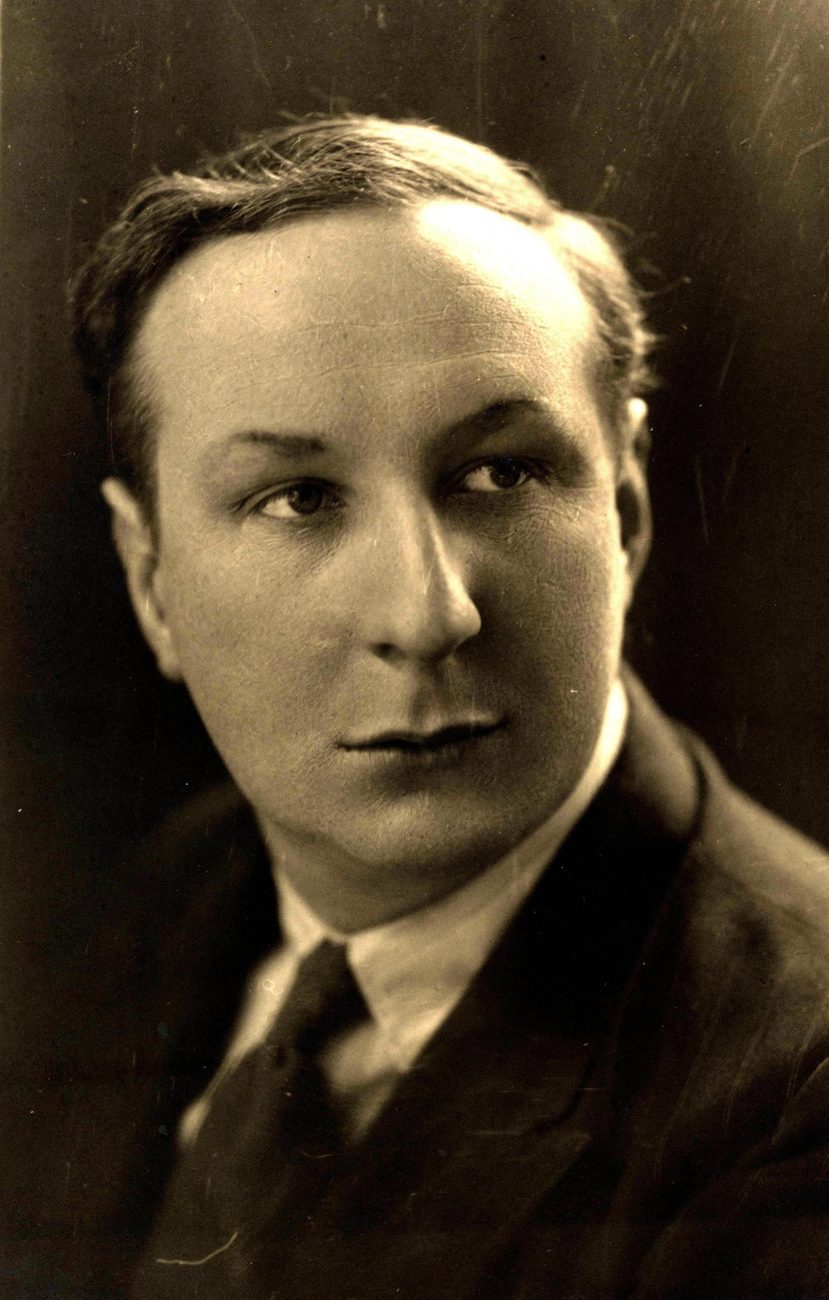
In 1927, touring Ireland with the company of his brother-in-law Anew McMaster, he met an English actor and director called Hilton Edwards. They were partners for the rest of their lives, in work and in love, at a time when that second part could not be spoken of. Dublin simply called them “the Boys”.
In 1928 Mac Liammóir's play Diarmuid agus Gráinne opened An Taibhdhearc in Galway, Ireland's Irish-language theatre. The same year, on 14 October, he and Edwards opened the Dublin Gate Theatre Studio in the little Peacock Theatre with Ibsen's Peer Gynt. Their first season also included Wilde's Salomé.
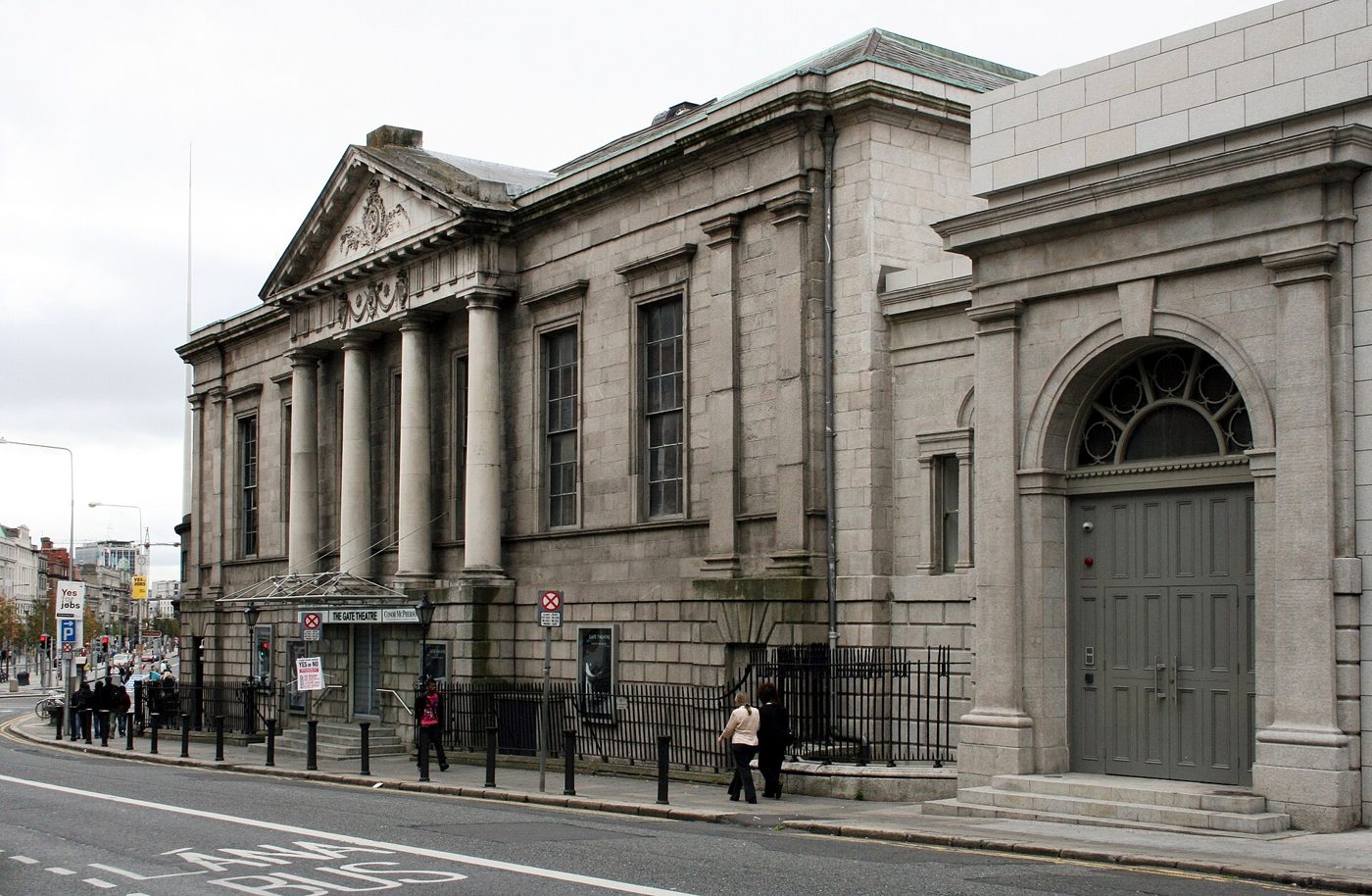
In 1930 the Gate moved to the old Rotunda buildings at the top of O'Connell Street, where it still is. The Abbey Theatre staged Irish plays; the Gate brought the world's theatre to Dublin, from Shakespeare and Ibsen to Chekhov and the moderns. Dublin wits named the city's two great stages “Sodom and Begorrah”.
In October 1931 a sixteen-year-old American turned up at the Gate claiming to be a star of the New York stage. He wasn't, but Edwards and Mac Liammóir hired him anyway. His name was Orson Welles. Twenty years later Welles cast Mac Liammóir as Iago in his film of Othello, which won the top prize at Cannes in 1952. Mac Liammóir's diary of the chaotic filming, Put Money in Thy Purse, is one of the great books about making a film.
One Man, One Wilde
In 1960, aged sixty, Mac Liammóir stepped onto the Gate stage alone. The Importance of Being Oscar, directed by Edwards, told the life of Oscar Wilde in Wilde's own words: the dazzling plays and the wit, then the trials, Reading Gaol and the long, sad end in Paris.
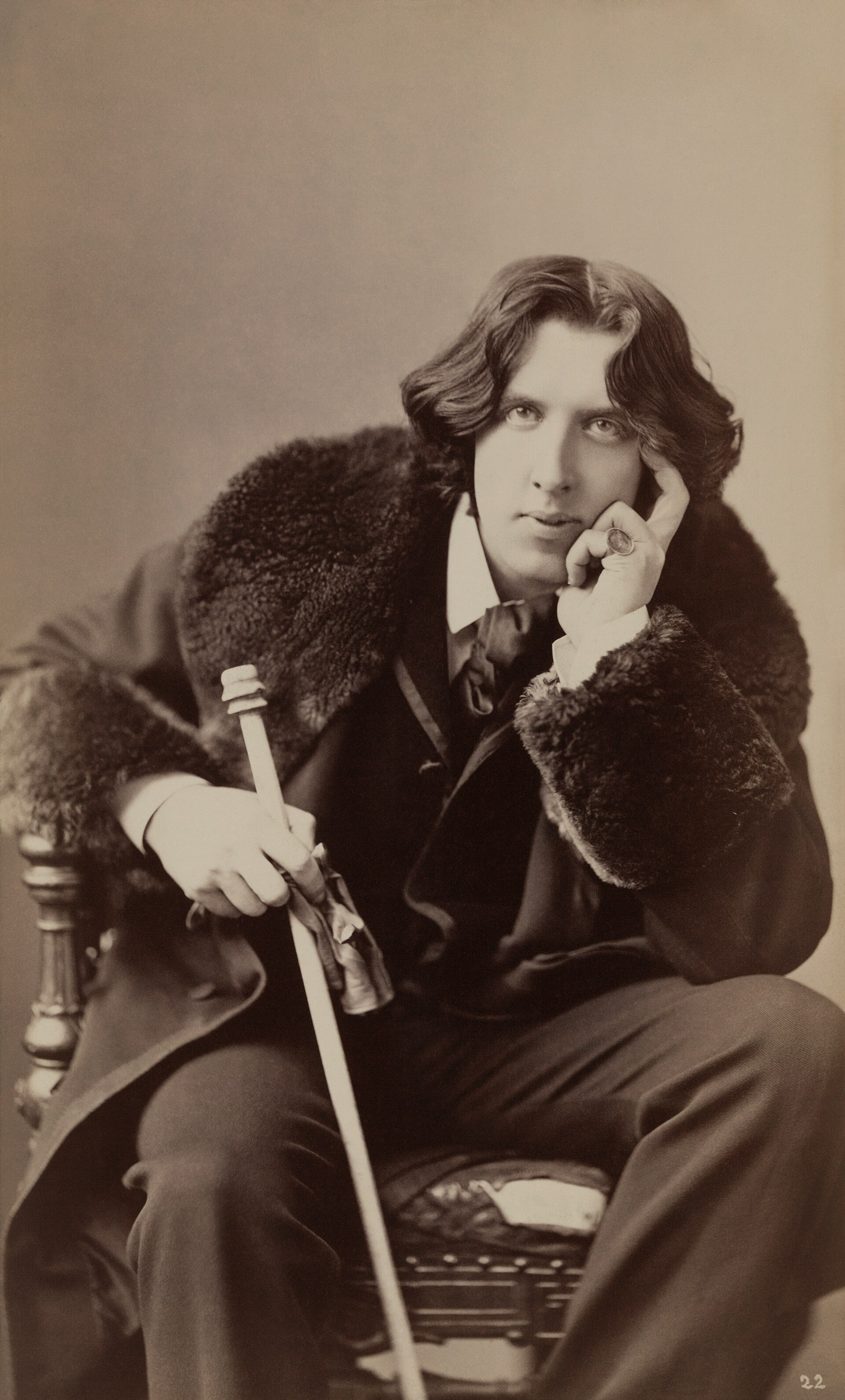
It was a sensation. He took it to London and to Broadway, across Europe and as far as Australia and South Africa, and performed it well over a thousand times. Irish television broadcast it on St Patrick's Day 1964.
There was something fitting in it. Wilde was an Irishman who made himself into a work of art in London. Mac Liammóir was a Londoner who made himself into a work of art in Ireland. Each, in his way, understood the importance of being someone else.
The Book on Our Shelf
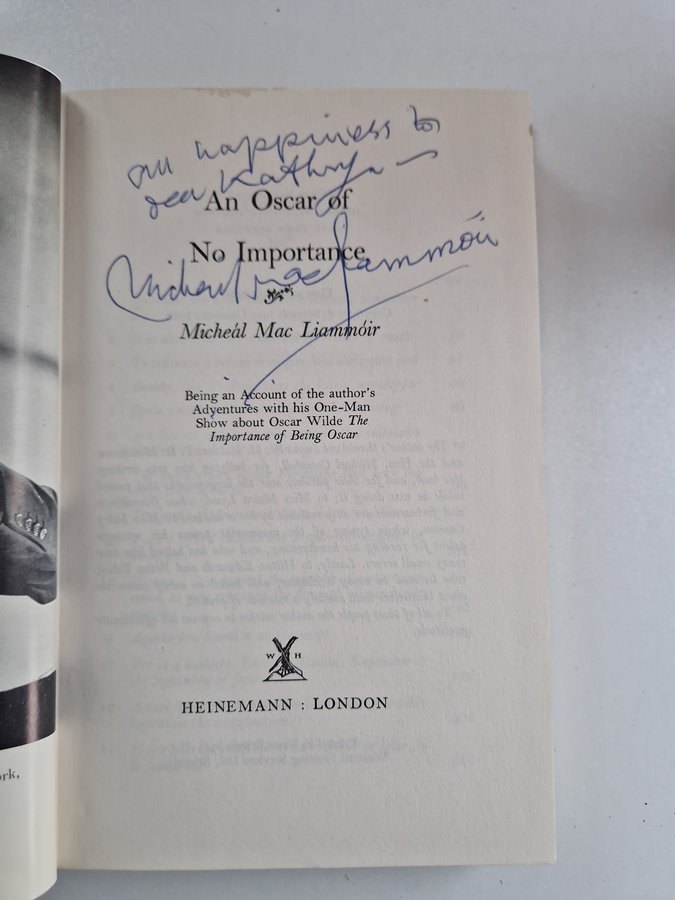
An Oscar of No Importance is, in the words on its jacket, “an account of the author's adventures with his one-man show about Oscar Wilde”. It is part memoir, part travel book and part love letter to Wilde, and the Spectator called it the best volume of his memoirs.
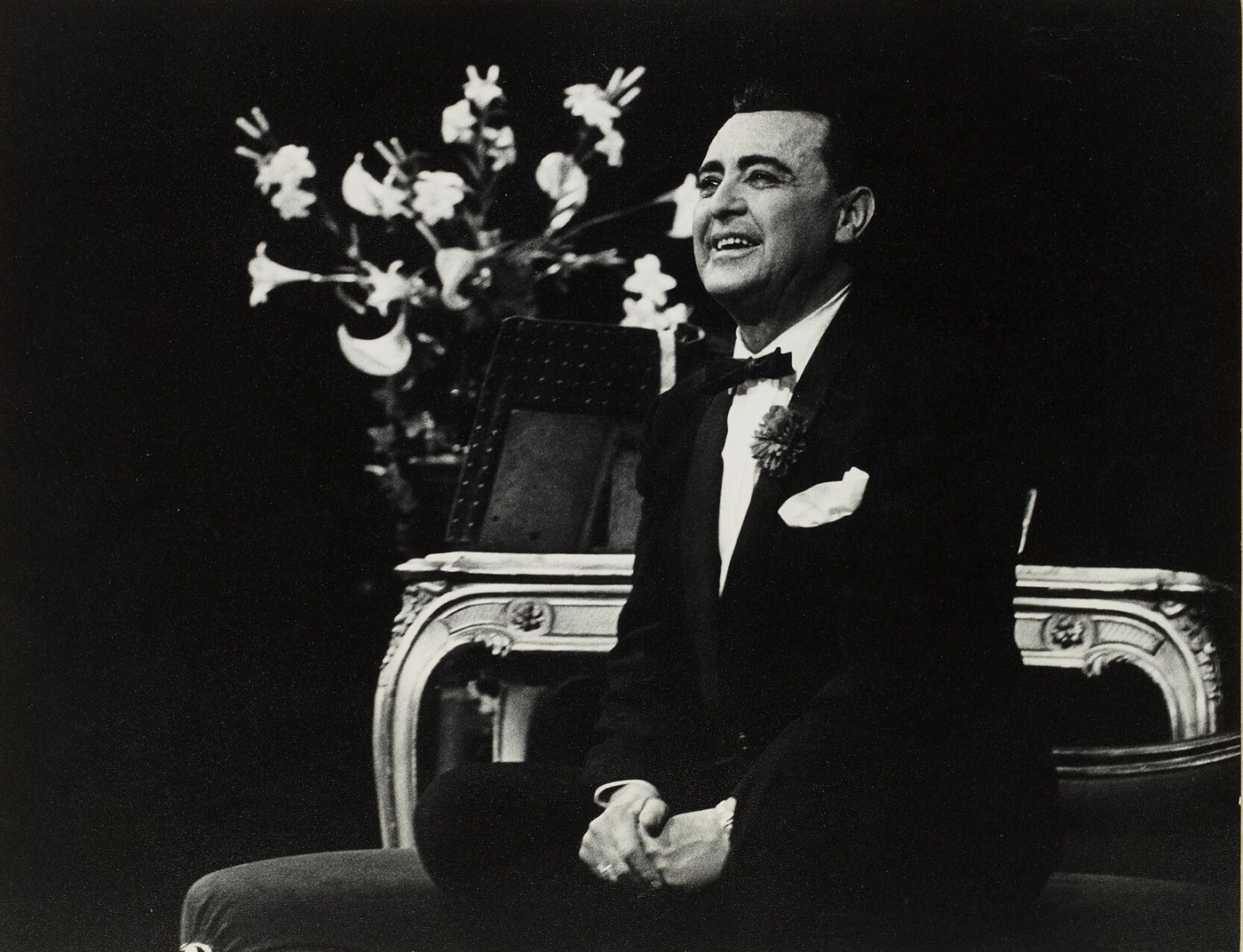
The green carnation on the jacket is Wilde's own emblem. In 1892, at the first night of Lady Windermere's Fan, Wilde had a group of his young friends wear dyed green carnations in their buttonholes, and the flower became a coded sign of Wilde and his circle. Look closely at the photograph at the top of this page: Mac Liammóir, telling Wilde's story, has a carnation in his buttonhole.
Mac Liammóir died in Dublin on 6 March 1978. The President of Ireland came to his funeral. When Hilton Edwards died four years later he was buried beside him, at St Fintan's in Sutton, on the Howth peninsula. Our copy carries his good wishes to a reader called Kathryn, in a sweeping blue hand across the title page. It is a small piece of the man: the name he chose, written by the man who chose it.
Researched and written for Gohachi Books, October 2026, from the sources listed below and our own signed copy of the book.
Sources
• Wikipedia: Micheál Mac Liammóir
• Wikipedia: The Importance of Being Oscar
• Europeana: Micheál Mac Liammóir and Hilton Edwards
• Irish Post: Looking back at the life of Micheál Mac Liammóir
• The Spectator, 6 September 1968: review of An Oscar of No Importance
• Greene & Heaton: The Boys, by Christopher Fitz-Simon
Alfred, then Micheál
- 1899
- Born Alfred Willmore in London
- 1911
- On stage with the young Noël Coward
- c. 1917
- Moves to Ireland as Micheál Mac Liammóir
- 1927
- Meets Hilton Edwards
- 1928
- Opens An Taibhdhearc, Galway, and the Gate, Dublin
- 1931
- Orson Welles, aged sixteen, joins the Gate
- 1952
- Iago in Welles's Othello
- 1960
- The Importance of Being Oscar opens
- 1968
- An Oscar of No Importance, our book
- 1978
- Dies in Dublin
Researched and written for Gohachi Books, October 2026, from the sources listed below and our own signed copy of the book.


