
The Quiet Art of the Paddle
Sport & the outdoors · Canoeing
By Gohachi Books
Brian Skilling: a life in canoeing.
Published November 2026 · About a 5-minute read
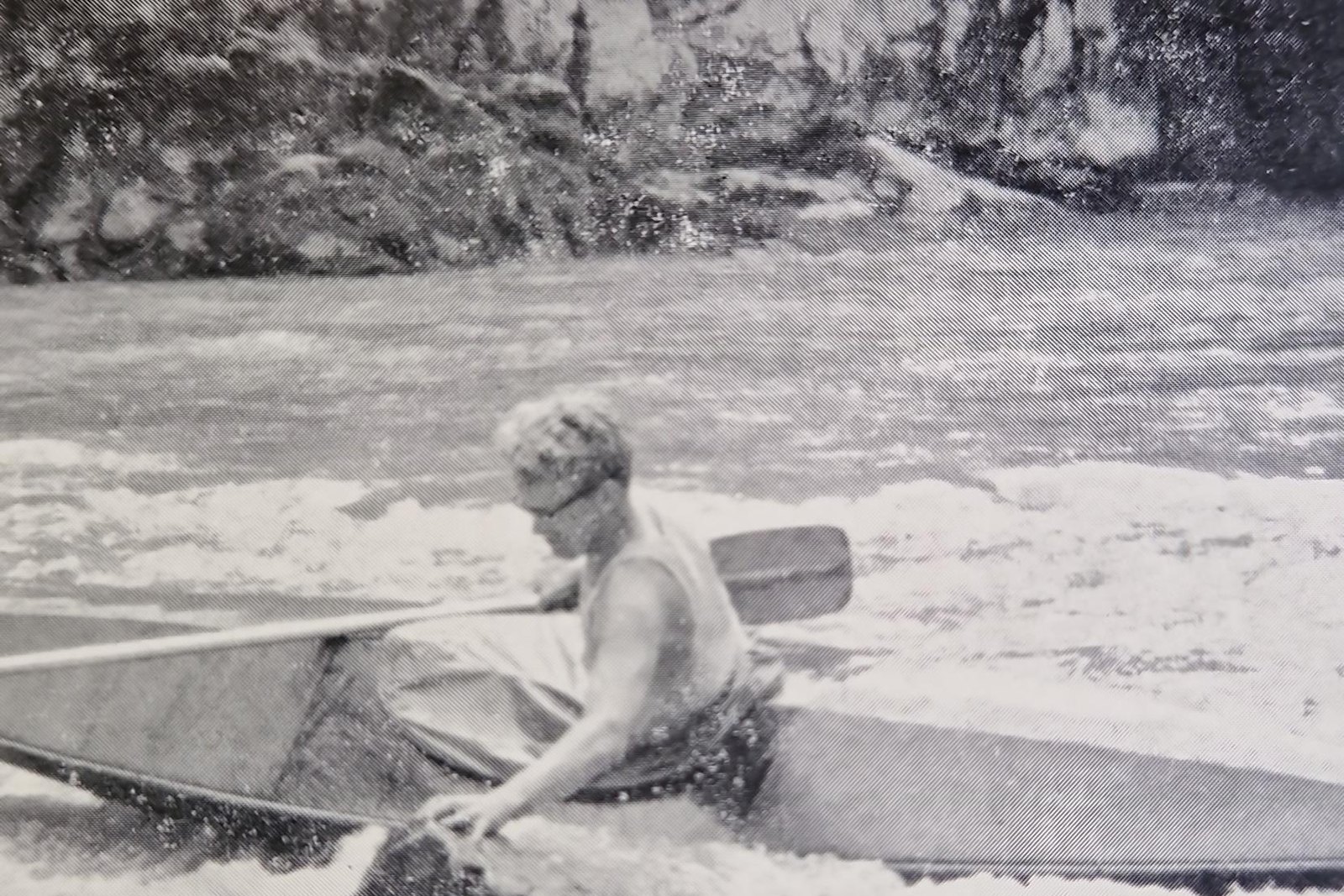
Before GPS navigation, lightweight carbon-fibre hulls and online route guides, canoeing was a rather different pursuit. Boats were sometimes built in garden sheds, journeys plotted on Ordnance Survey maps, and knowledge passed between enthusiasts through clubs, magazines and books.
It was a world of canvas-covered hulls, wooden paddles, cold mornings on quiet rivers and the particular satisfaction of travelling somewhere under your own steam.
Brian Craig Skilling understood that world particularly well.
A Boy and His Canoe
During the Second World War, a boy evacuated from Manchester to Scotland struck up a friendship with Brian Skilling.
His new friend remembered Brian as an accomplished swimmer, cyclist, climber and camper. He was also an enthusiastic canoeist, and had done something rather remarkable for a schoolboy: built his own canoe.
It was the beginning of an interest that would shape much of his adult life.
By the early 1960s, British canoeing was developing rapidly. Clubs were growing, new boat designs were appearing, and enthusiasts were exploring everything from quiet inland waterways to challenging coastal waters.
But information was not always easy to find. Learning to paddle, choosing a boat or obtaining reliable plans to build one often depended on knowing the right people.
Brian helped change that.
Sharing the Knowledge
In 1963, Skilling published Basic Canoeing: Kayaks and Canadians, an introduction to the practical skills and equipment of the sport.
He also edited Canoeing, a magazine that became part of the conversation surrounding British paddling, and operated a service distributing canoe-building plans.
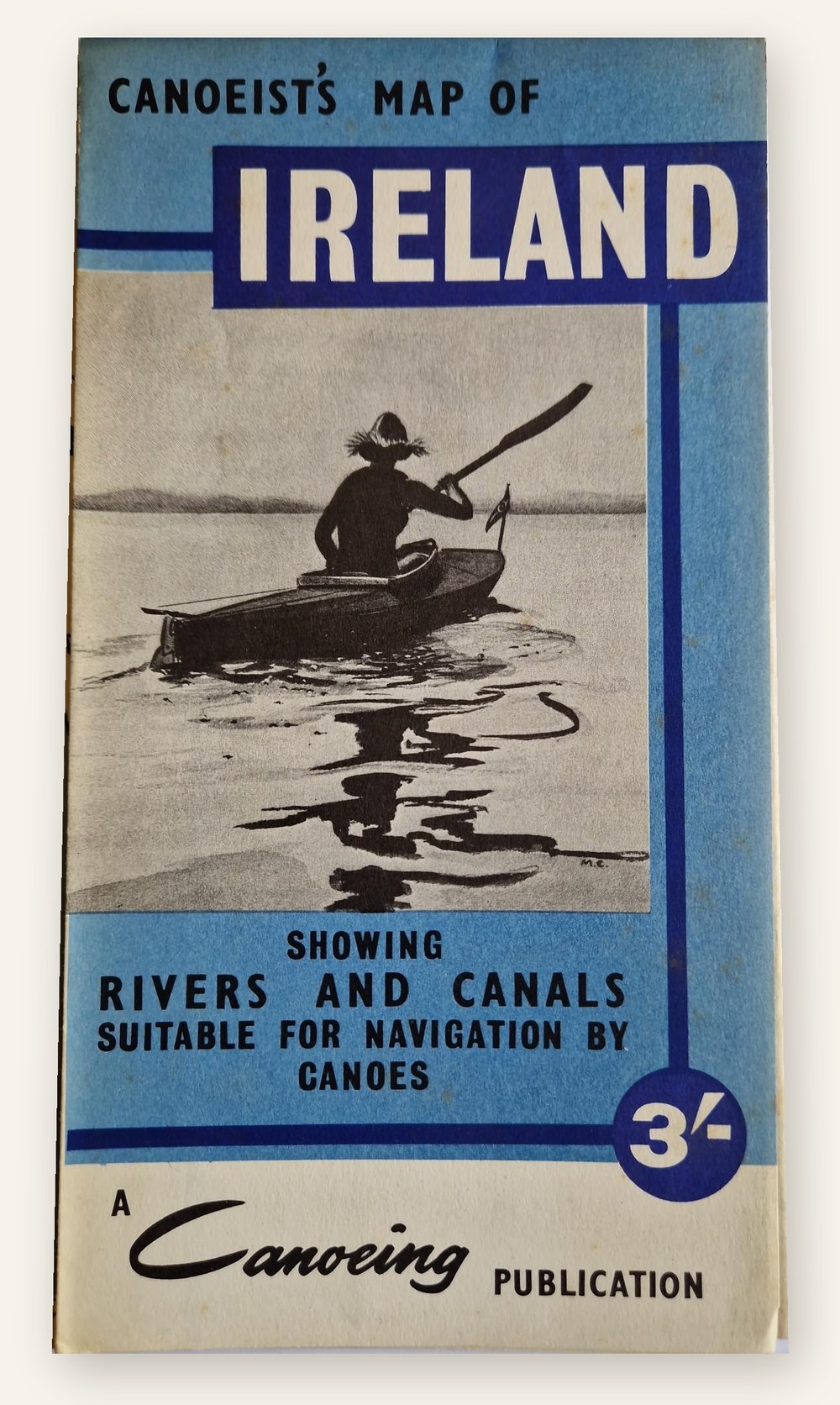
Among the designs circulated through that service were kayaks influenced by traditional Greenland craft, including designs developed from the kayak brought back to Scotland by Ken Taylor in 1959.
It was a fascinating period in the evolution of British sea kayaking. Ideas travelled between countries, designers adapted traditional forms, and enthusiasts could build boats inspired by craft developed thousands of miles away.
Brian’s role was not necessarily to invent these designs himself, but to help make the knowledge available to others.
There is something pleasing about that: the boy who once built his own canoe was now helping other people build theirs.
Canoeing Complete
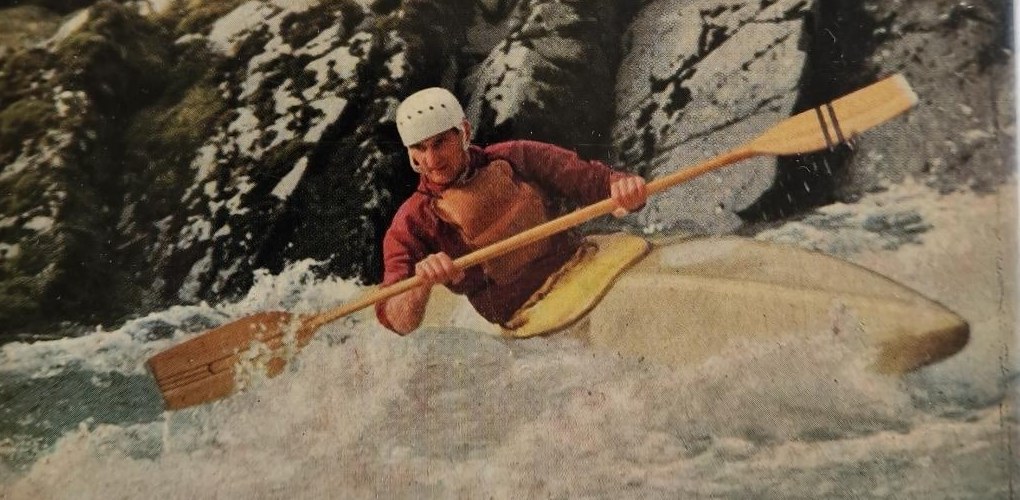
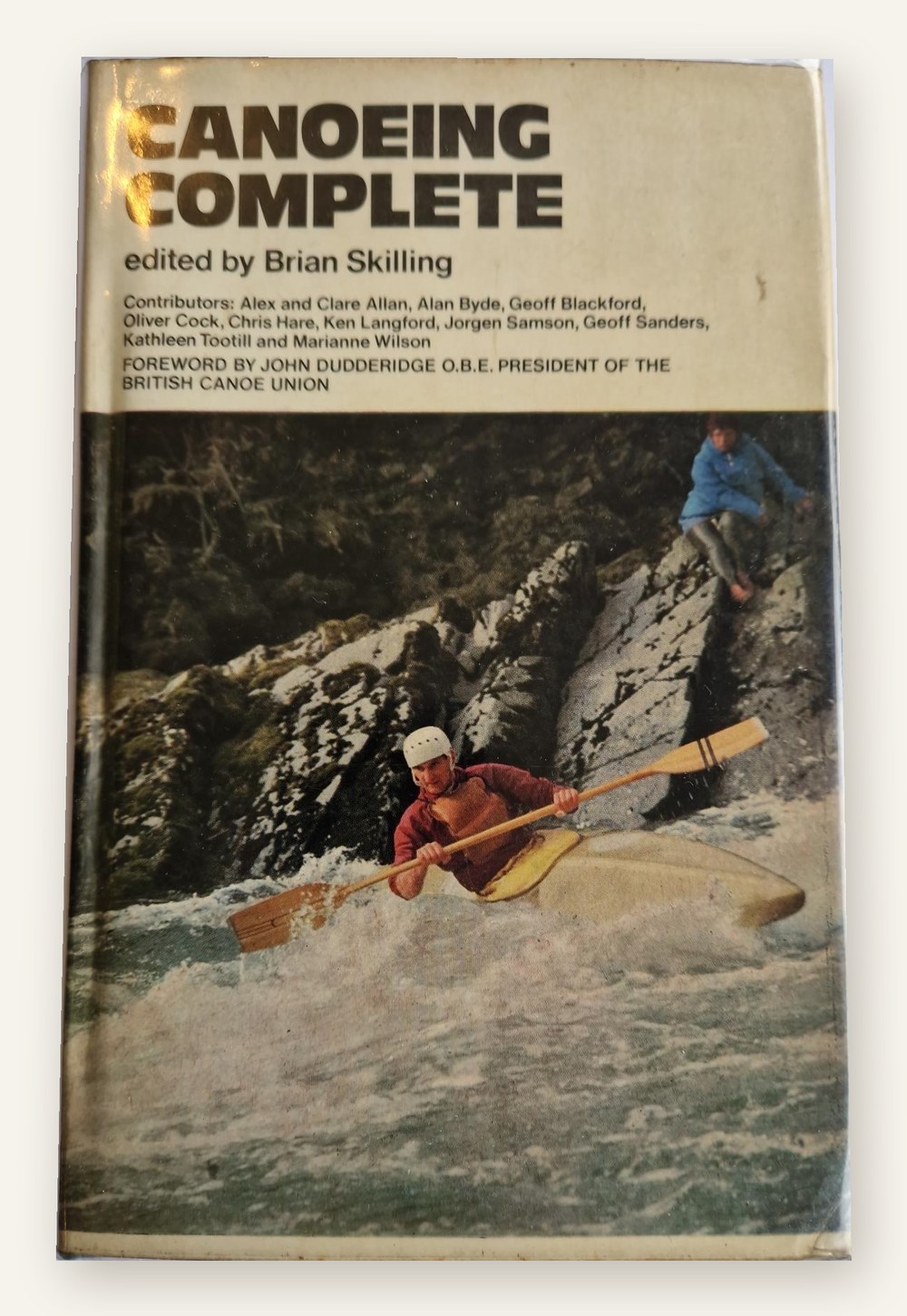
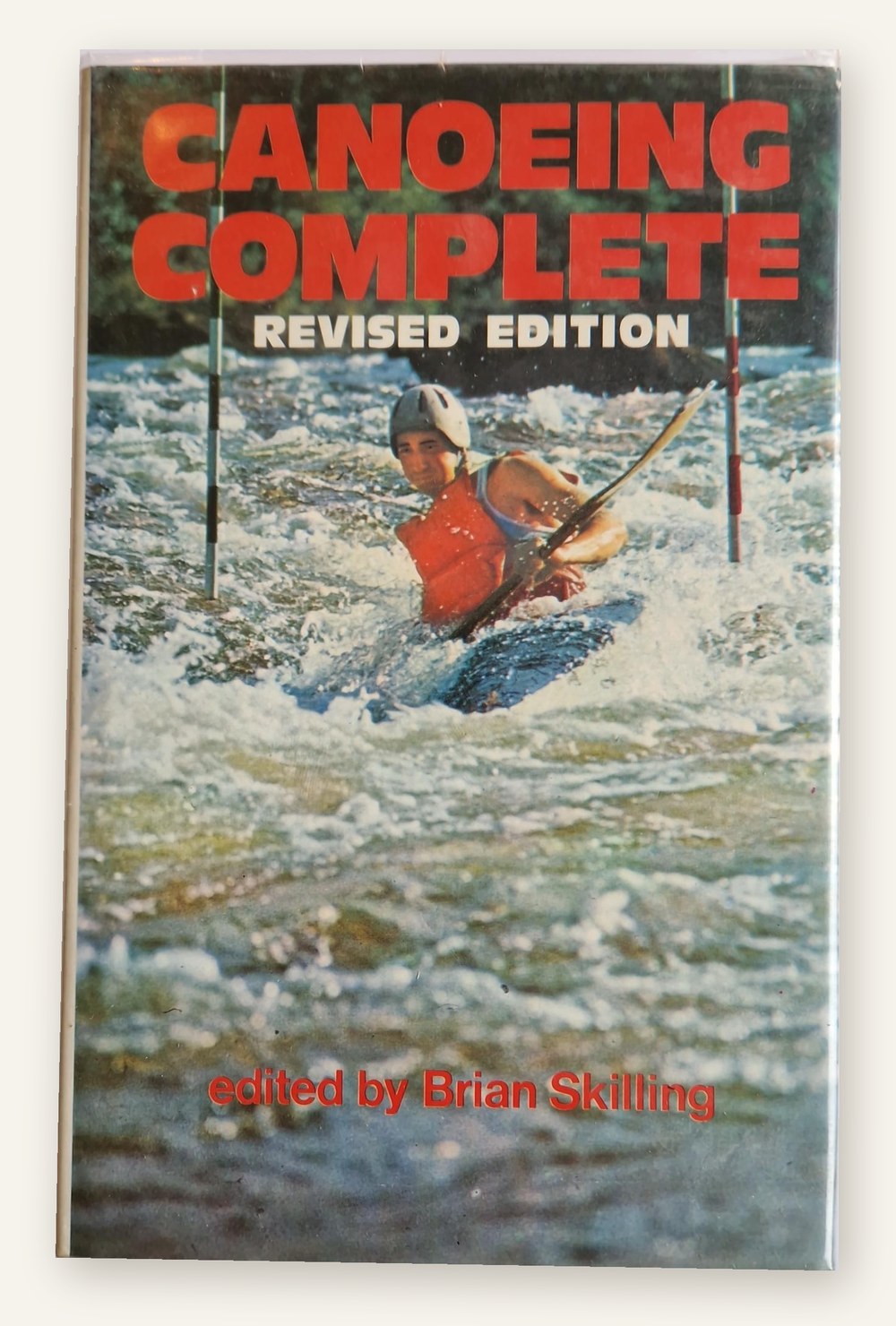
In 1966 came Canoeing Complete.
Rather than simply recounting adventures, the book brought together practical expertise from across the sport. Its pages explored canoe design and construction, paddling techniques, touring, navigation, racing and safety.
Illustrated with photographs and diagrams, it belonged to an era when a good reference book could be as important a piece of equipment as a paddle or a waterproof map case.
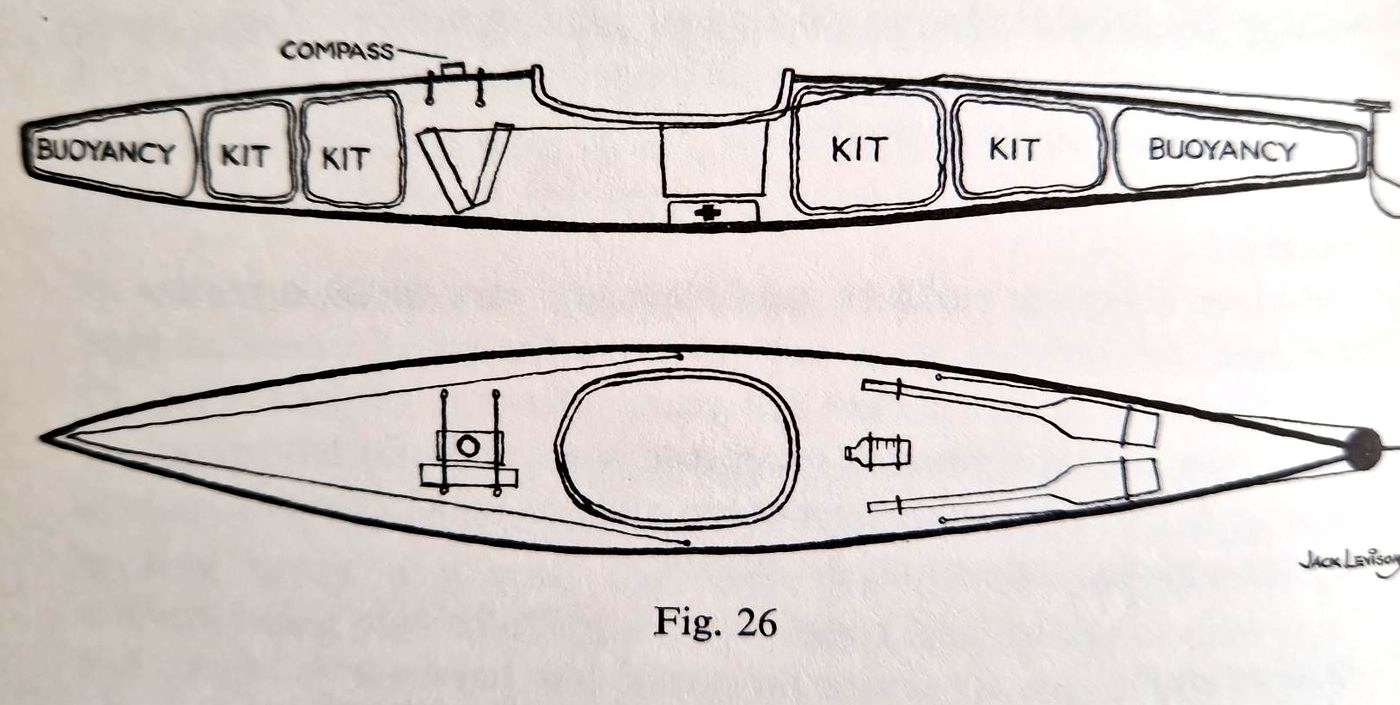
It was the sort of book to be studied on a rainy evening, spread across the kitchen table while planning the next journey.
And Brian’s interest in the written word extended beyond practical instruction.
In 1967, he completed an ambitious study entitled British Canoeing Literature, January 1866 – January 1966, examining a century of books and publications about the sport.
It was a substantial undertaking, tracing not simply what had been written about canoeing, but how that literature had helped shape its development.
For someone whose life had become so closely connected with paddling, the history of its books was clearly worth preserving.
An Old Friendship
Among the books and papers associated with Brian that recently came into our hands at Gohachi was something rather unexpected.
An old school photograph, accompanied by correspondence written many decades later.
The letters came from Gordon, the friend who had known Brian during those wartime schooldays.
After some sixty years, the two had renewed their friendship. Gordon remembered their childhood adventures, their chess games and Brian’s enthusiasm for the outdoors.
He also remembered Brian’s once-curly hair, which had apparently disappeared with the passing years. Gordon joked that there was little point sending him a comb for Christmas.
In September 2017, Gordon wrote a poem reflecting on their friendship and Brian’s accomplishments.
Among its lines was a particularly touching acknowledgement of the boy he had known and the books that followed:
Especially in aquatic arts which that ensuing
Marvellous book emerged upon Canoeing.
The verse may not have troubled the great poets, but its affection is unmistakable.
Here was a friendship stretching from wartime childhood into old age, with a shared memory of a homemade canoe still vivid after more than six decades.
The Books Remain
We recently acquired a collection of canoeing books associated with Brian Skilling, including Canoeing Complete.
Alongside them were the school photograph, letters and recollections that offered a glimpse of the person behind the publications.
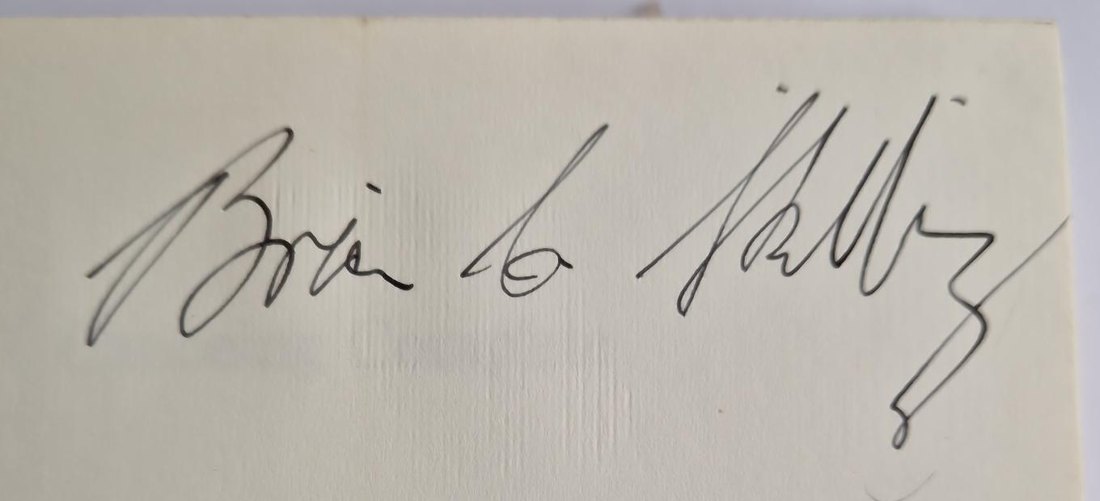
It is easy to think of old books simply as objects: an edition, a binding, a dust jacket, perhaps a signature on the title page.
But occasionally a collection offers something more.
In Brian’s case, the books connect a boy building a canoe during the war with a man who spent years helping others discover the same pleasure, through magazines, practical guides and the sharing of knowledge.
And somewhere among those papers, a friend was still remembering the boy with the curly hair and the homemade canoe.
The books remain. So, in a small way, does the friendship.
The object
Canoeing books and papers associated with Brian Skilling, including Canoeing Complete and a Canoeing map of Ireland.
With a school photograph and letters from a wartime friend.
Available in our shop →From the Gohachi Books collection – Stories Behind the Books.
