
The Gallery in a Book
Inscribed copies · Art & the Second World War
By Gohachi Books
Two copies of the same 1938 book of close-ups from the National Gallery, each given as a present. One was inscribed in July 1943, when nearly every painting in it was hidden inside a mountain in Wales.
Published November 2026 · About a 6-minute read
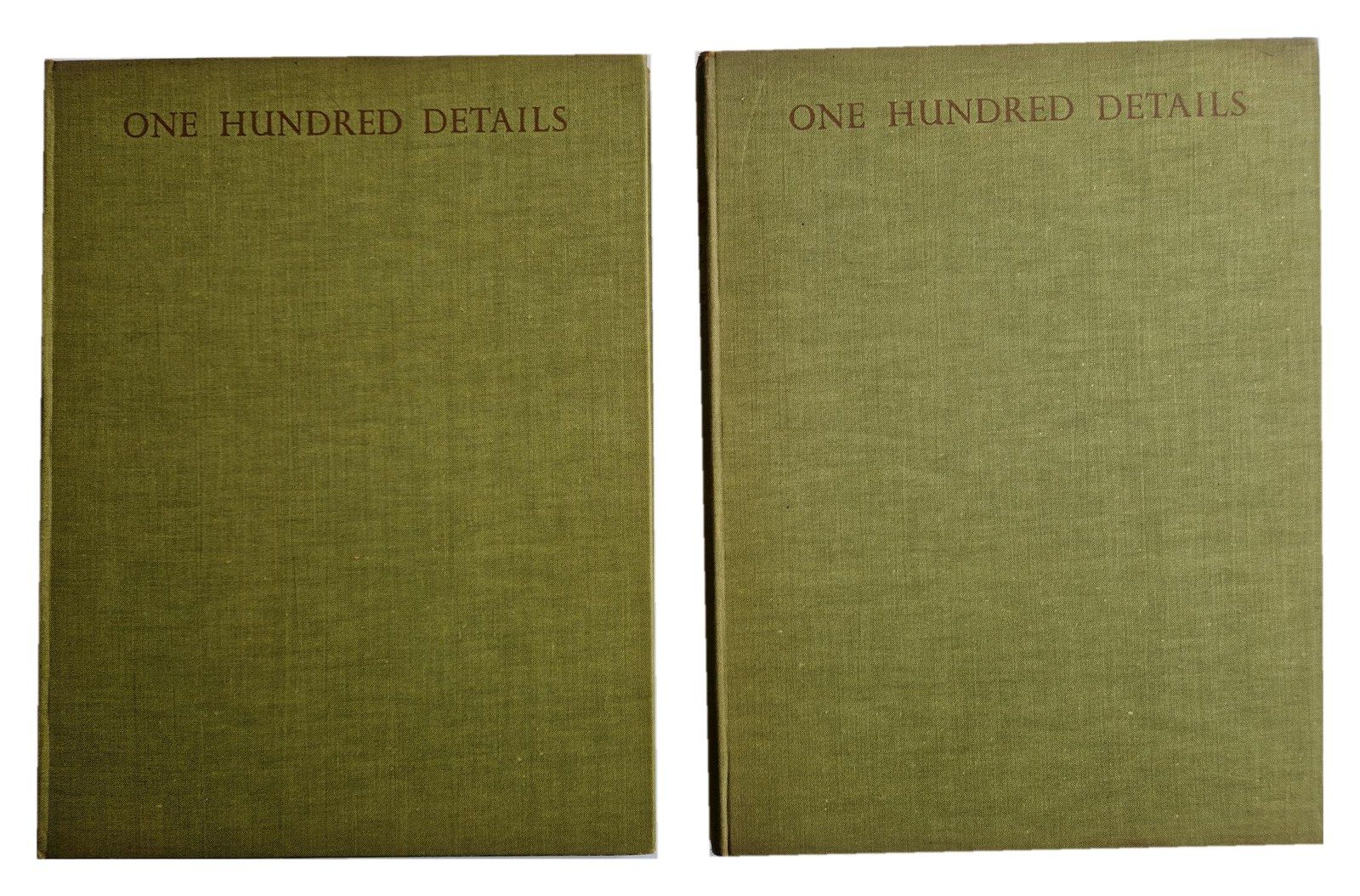
Two copies of the same book have come through our hands. Both are One Hundred Details from Pictures in the National Gallery, printed for the Gallery’s Trustees in 1938. Both were given as presents, and each has a short inscription inside the cover, from a different person.
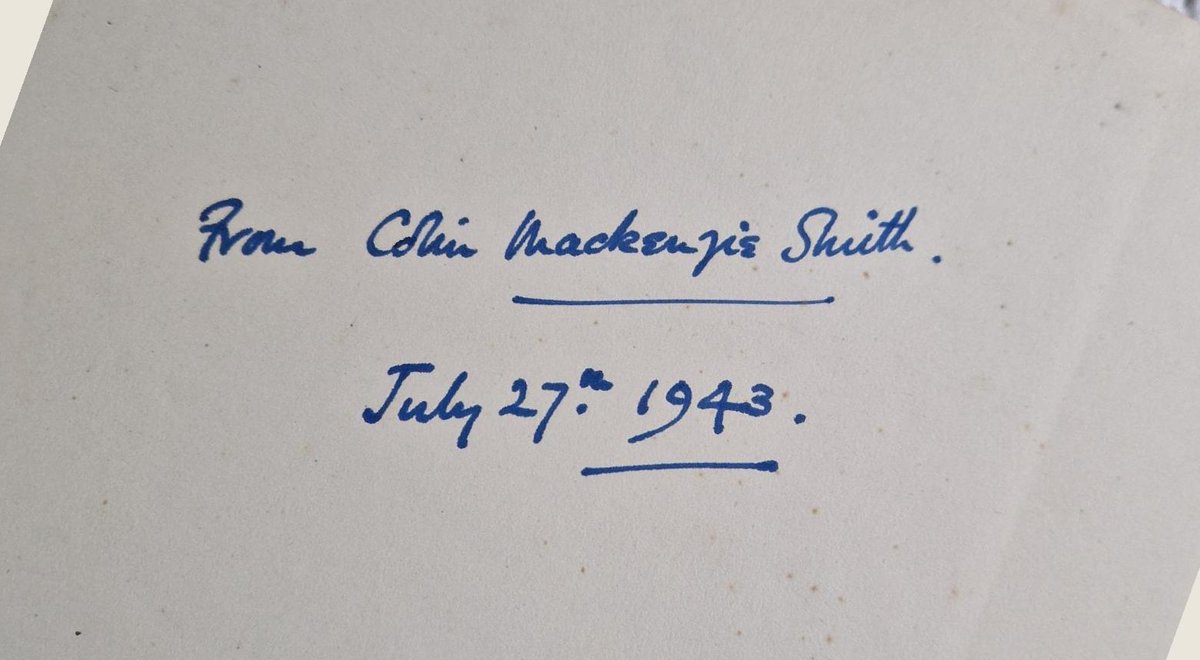
We don’t know who Colin or Bruce were, or who they gave their books to. But Colin dated his, and the date says a great deal. In July 1943 the National Gallery in Trafalgar Square was almost empty. Nearly every painting in this book was hidden inside a slate quarry in north Wales.
A Book of Close-Ups
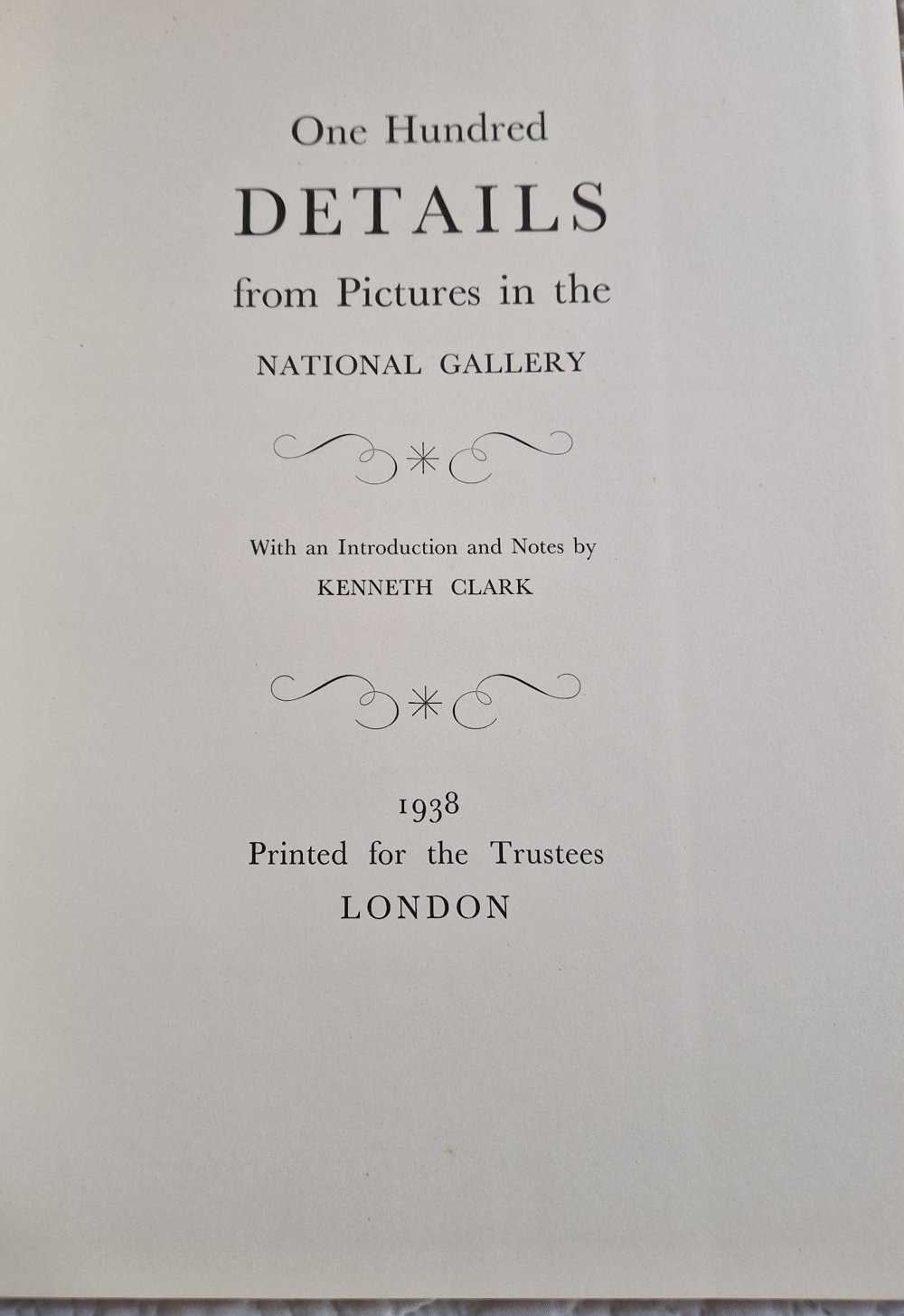
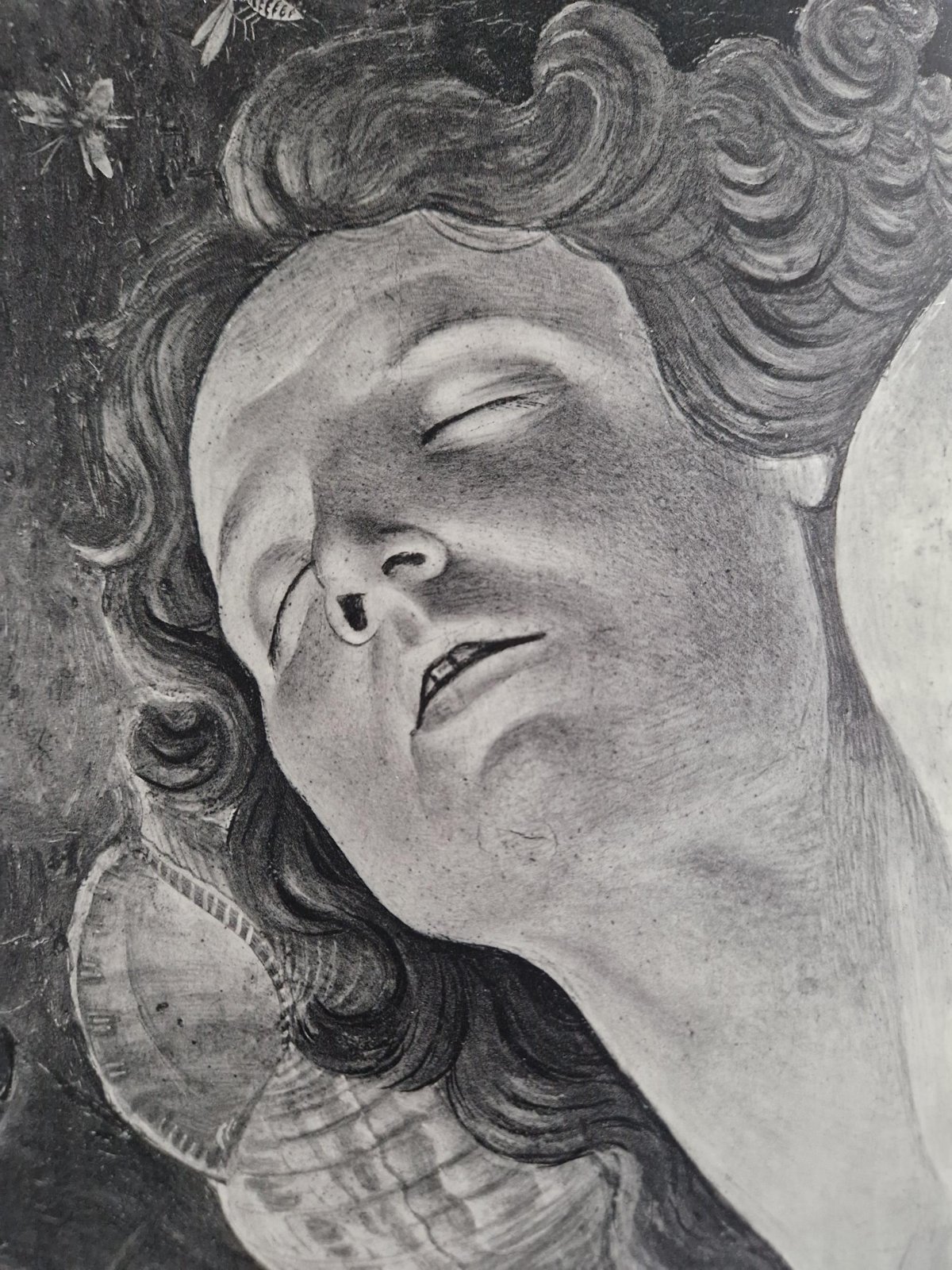
Its introduction and notes are by Kenneth Clark, who had become Director of the National Gallery in January 1934, at just 30 the youngest Director in its history. Instead of whole paintings, the book prints a hundred close-ups, each a small part of a picture, many of them at almost the size of the original. Seen this way, paintings you might walk past in a minute become faces you can study for as long as you like.
Clark arranged them in pairs, facing each other across each opening, so that each pair would bring out “certain analogies and contrasts”. He avoided pairs that clashed too violently, and explained why in one of the best sentences in the book:
Great pictures grumble at each other, insult or even annihilate each other as often as great men.
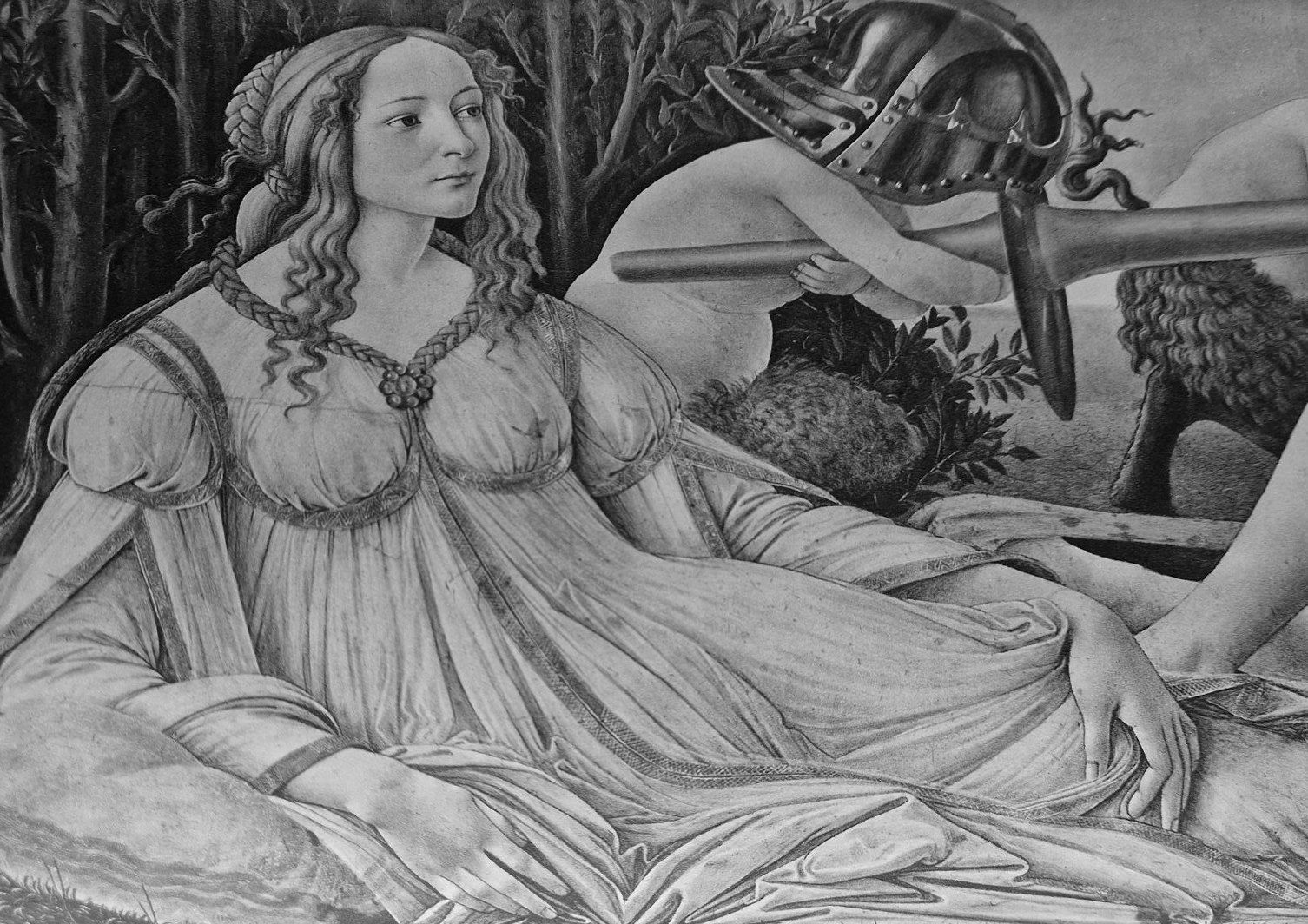
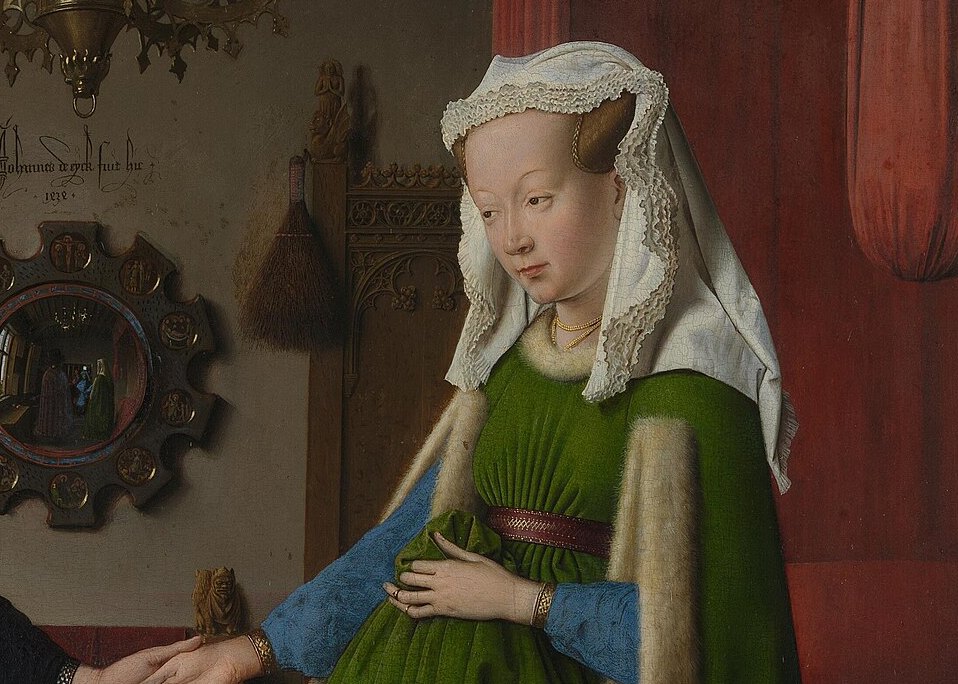
Open the book at plates 4 and 5 and you can see what he meant. On the left is Botticelli’s Venus, from the same painting as our sleeping Mars. Facing her is the young wife from Jan van Eyck’s Arnolfini portrait of 1434, whom Clark names as Jeanne de Chenany: Florence on one page, Bruges on the other. Clark admits the pairing is daring:
The confrontation of two such profoundly different pictures borders on sacrilege, but may, I hope, be forgiven for the clear and concentrated way in which it expresses two opposing pictorial ideals.
He also turned the book into a kind of game. Even people who knew the Gallery well, he wrote, “may not have noticed the quarrel between a bear and a lion” in a Filippino Lippi Madonna and Child. Failing to recognise a detail was amusing, but it also meant “that we do not look at pictures carefully”. His notes, he said, were meant as “the kind of conversation which two people fond of painting might have while going round the National Gallery”.
Every photograph was taken by the Gallery’s own staff. Clark thanks the photographer Miss A. M. Rickeard, and Miss O. M. Cook, the Supervisor of Publications, who edited the book and saw it through the press. He also credits the Japanese critic Yukio Yashiro with being the first to use details like these to help people appreciate paintings, in his book on Botticelli.
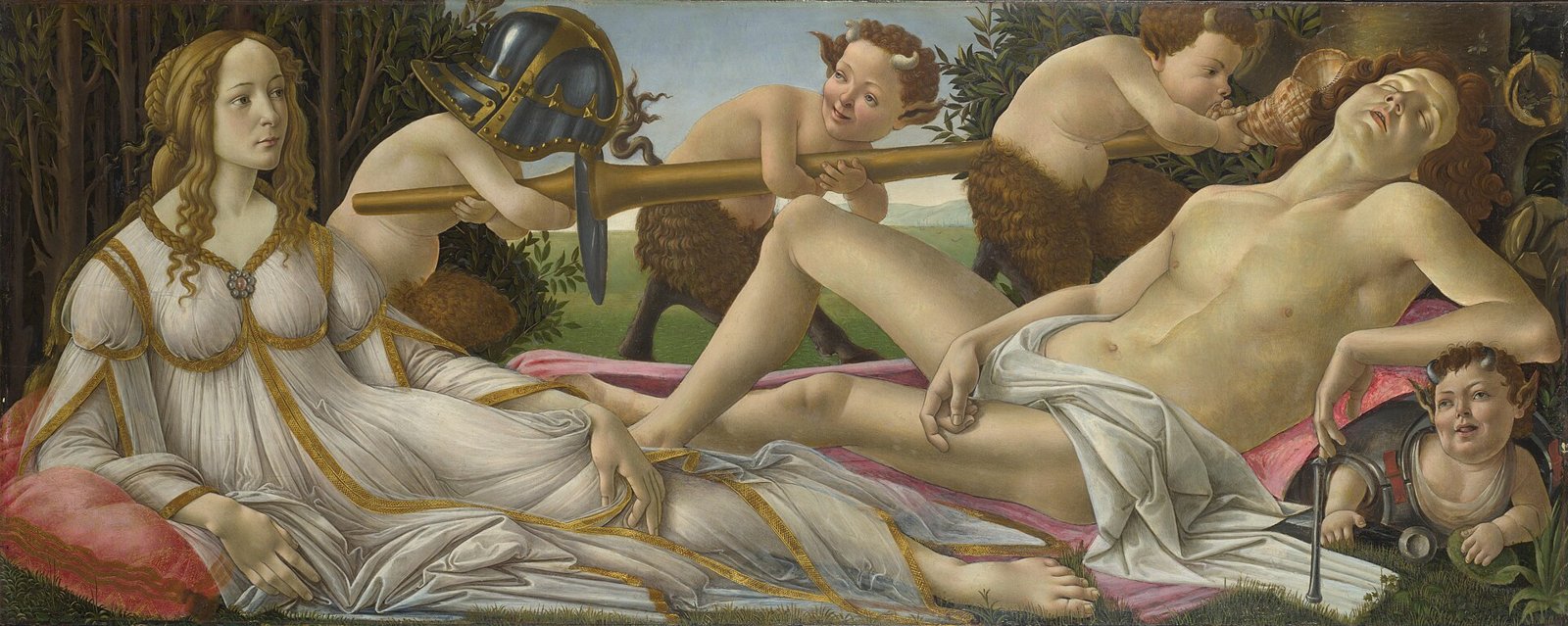
Fittingly, our favourite detail is a Botticelli: Mars, fast asleep while Venus watches him, from Venus and Mars. Look closely and there are wasps buzzing round his head. The Gallery suggests they may be a joke: the Italian for wasp is vespa, and the Vespucci were a family of Botticelli’s patrons.
The Pictures Go Underground
A year after the book came out, Britain was at war. On 3 September 1939, the day war was declared, a Gallery team finished a ten-day operation moving about 2,000 paintings out of London to safer places across rural England and Wales. Clark had thought of sending them to Canada. Churchill refused: “Hide them in caves and cellars, but not one picture shall leave this island.”
In the end they went into a mountain. By the summer of 1941 the whole collection was inside Manod, a disused slate mine near Blaenau Ffestiniog. The entrance was blasted wider so the biggest canvases would fit, and brick rooms were built inside the caverns to keep the temperature and damp steady. The quarry’s owner is said to have told a local shopkeeper that it was being used to store butter.
An Empty Gallery, Full of Music
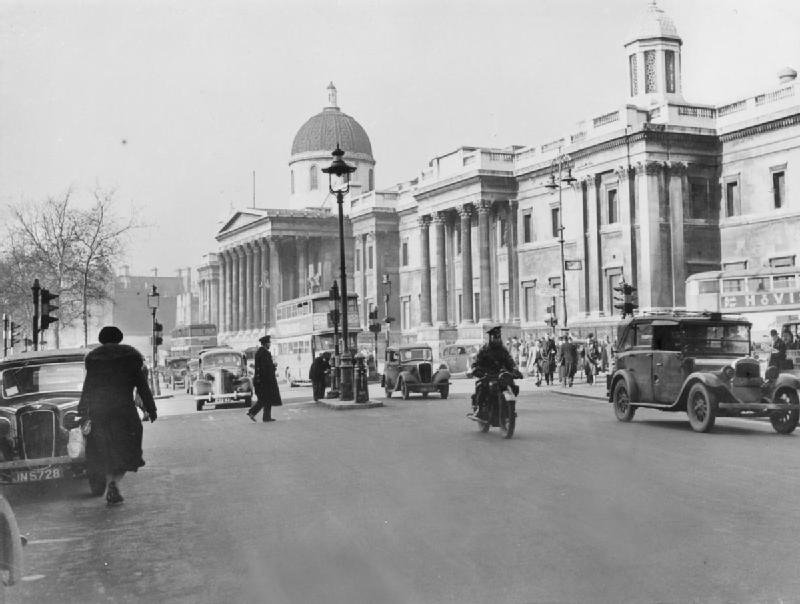
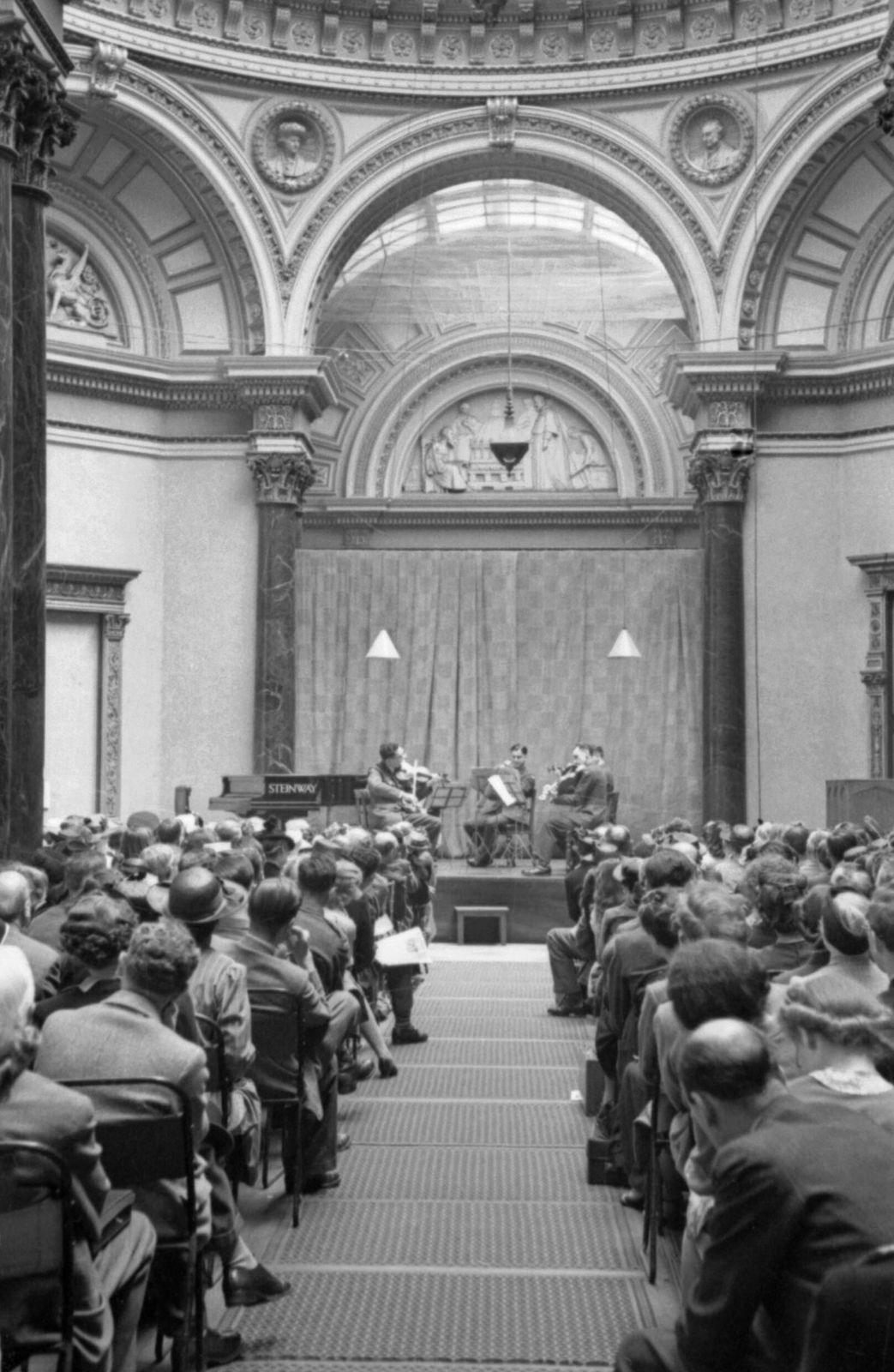
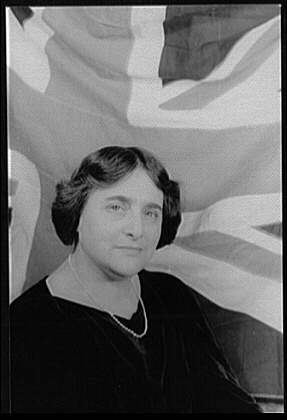
The Gallery itself did not close. Five weeks into the war, the pianist Myra Hess, with Clark’s help, began giving lunchtime concerts under its bare walls. The first was on 10 October 1939. A seat cost a shilling. By the last, on 10 April 1946, there had been 1,698 concerts, heard by more than 820,000 people.
From 1942, as the bombing eased, the Gallery began bringing back one painting at a time. Each month a single picture travelled from Manod to hang alone in the Gallery, the Picture of the Month, and every night it went down into an underground strong room for safety. Each arrival was news. The idea was so popular that the Gallery still has a Picture of the Month today.
July 1943
So think of Colin’s present in that light. In July 1943 you could hear a string quartet in the National Gallery, and perhaps see the one picture of the month, but the rest were out of reach for the duration. A book of a hundred close-ups was the Gallery you could hold: Botticelli’s wasps and ninety-nine other details, in your lap, wherever the war had sent you.
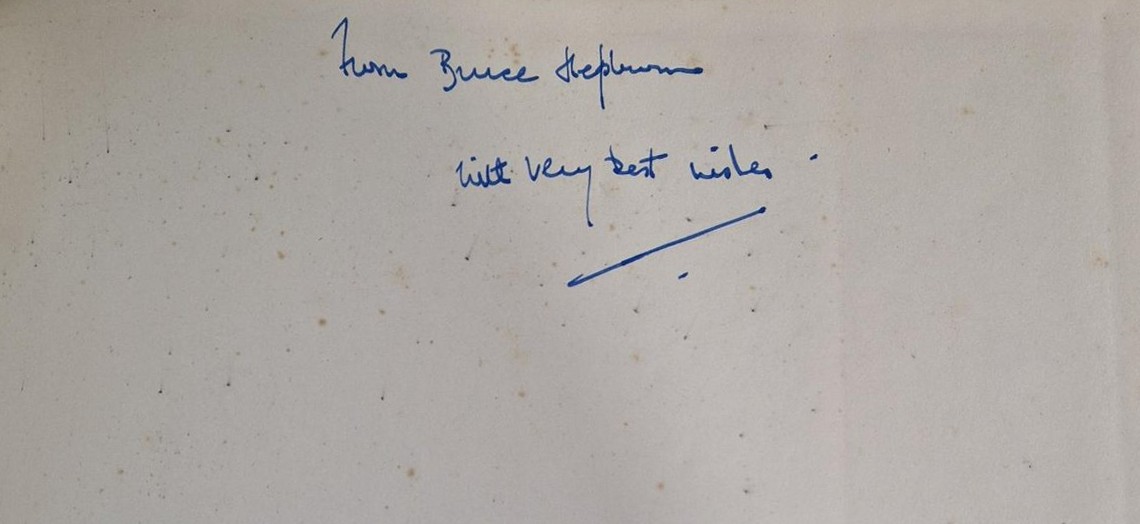
We don’t know what the occasion was: a birthday, a leaving present, a thank-you. It may simply have been something beautiful to give in a grey year. Bruce Hepburn’s copy has no date at all, only “with very best wishes”. Two strangers, two gifts, the same book. Both copies are now with us, ready for someone else’s shelf.
Who Were They?
We tried to trace both names. The only well-recorded Colin Mackenzie Smith we could find was an Australian airman, a teacher from New South Wales, who was killed over the Netherlands in August 1942, so he cannot be our Colin. Of Bruce Hepburn we found nothing. If either name means something to you, we would love to know.
Recognise Colin Mackenzie Smith or Bruce Hepburn? Tell us, and we’ll add their story here.
The Gallery at war
- Jan 1934
- Kenneth Clark becomes Director, aged 30
- 1938
- One Hundred Details printed for the Trustees
- 3 Sep 1939
- About 2,000 paintings moved out of London
- 10 Oct 1939
- Myra Hess gives the first lunchtime concert
- Summer 1941
- The whole collection is inside Manod quarry
- 1942
- The Picture of the Month begins
- 27 Jul 1943
- Colin Mackenzie Smith gives his copy
- End of 1945
- The last paintings leave Manod for London
- 10 Apr 1946
- The 1,698th and last concert
The object
One Hundred Details from Pictures in the National Gallery. Introduction and notes by Kenneth Clark.
Printed for the Trustees, London, 1938. Two copies of the same edition.
Copy one inscribed “From Colin Mackenzie Smith. July 27th 1943.” Copy two inscribed “From Bruce Hepburn, with very best wishes.”
Available in our shop →Researched and written for Gohachi Books, November 2026, from the two inscribed copies in our collection and the sources listed below.
Sources
- National Gallery: The Gallery in wartime
- National Gallery: The Gallery in wartime (Picture of the Month)
- National Gallery: Safeguarding national treasures (Manod)
- National Gallery: How the Myra Hess concerts started
- National Gallery archive: WWII concert programmes (1,698 concerts)
- National Gallery: Kenneth Clark, Director 1934–45
- National Gallery: Botticelli, Venus and Mars
- Virtual War Memorial Australia: Sgt Colin Hugh Mackenzie Smith


